


Leading CRN Registration, Pressure Testing, & Training Services
Titan Research Group delivers comprehensive solutions in CRN registration, pressure testing, quality assurance, inspection, and engineering services. Our expert team helps manufacturers and engineers achieve full regulatory compliance, optimise system performance, and bring pressure equipment to market safely.
Expert CRN Support with 20+ Years of Industry Leadership
For more than two decades, Titan Research Group has guided local and international manufacturers through the CRN registration and renewal process. Our team helps verify that your pressure vessels, piping systems, fittings, and boilers meet or exceed ASME, CSA, and provincial regulatory standards.
If you are looking for trusted, cost-effective, and strategic CRN support, then we are the company for you! TRG manages every step, from initial design review and documentation to final certification, giving you assurance that your compliance requirements are fully addressed.

Titan Research Group is a Leading Supplier of Engineering Services Across a Wide Range of Sectors.
Reliable Pressure Equipment Engineering & CRN Registration Solutions
If you are a manufacturer or engineer working with pressure equipment, understanding the importance of a Canadian Registration Number (CRN) is important. This certification is mandatory across Canada for all pressure equipment and systems operating above 1 bar (approximately 14.5 psi). It shows that your equipment meets the safety standards set by each province and territory.
Obtaining a CRN can be challenging as it involves thorough assessments by jurisdictional bodies, which can vary across regions. Maintaining compliance and adapting to changing regulations adds more complexity, making expert guidance essential.
At Titan Research Group, we have spent over two decades making this complex process easier for both local and international manufacturers. Our team actively participates in the American Society of Mechanical Engineers (ASME) code committees, staying up-to-date with the latest pressure laws and regulatory changes.
From managing jurisdiction-specific requirements to handling quality checks, design compliance, and more, we do everything involved in getting a CRN. Our clients consist of manufacturers specializing in process control and instrumentation equipment, serving industries such as oil and gas, metals, mining, minerals, drinking and wastewater, aggregates, cement, food, and pharmaceuticals.
Contact us for expert consultation and improve your product’s safety and efficiency before it reaches the market!
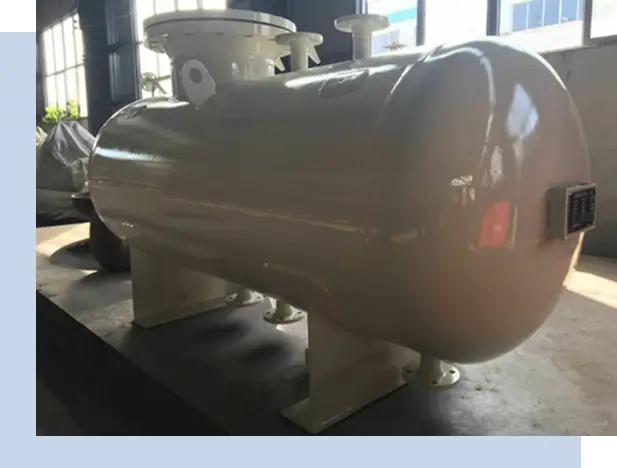
Accredited Test Laboratory Services for Reliable Results
Our accredited test laboratory offers a range of testing services to meet all your project needs. From burst and leak testing to high-pressure impulse cycle testing, we make sure your equipment is built in compliance with CSA, ASME, and all other relevant regulations.
Backed by decades of engineering expertise, we specialize in highly customized and routine testing. We collaborate closely with our clients to deliver precise, cost-effective results!
Our Engineering, Testing, and CRN Services


Quality Assurance (QA)

Common CRN and Compliance Challenges Manufacturers Face
Handling Canadian pressure equipment regulations can be complex, even for experienced manufacturers. Many delays occur due to jurisdictional differences, documentation gaps, or late-stage design changes rather than technical deficiencies. Common challenges include:
- Provincial regulatory differences: Pressure equipment regulations are enforced at the provincial level, and design acceptance in one jurisdiction does not automatically translate to approval in another.
- Incomplete or unclear documentation: Missing calculations, inconsistent drawings, or unclear material specifications often lead to review comments, resubmissions, and extended approval timelines.
- Late design modifications: Changes to materials, pressure ratings, or configurations after submission can trigger additional analysis or re-registration requirements.
- Testing requirements identified too late: Proof or burst testing may be required to support compliance, and late planning can disrupt production schedules and delivery commitments.
- Unclear CRN scope: Assemblies, modified equipment, or sub-components may require CRN registration even when individual parts appear non-pressure rated.
- Limited familiarity with Canadian expectations: Compliance with ASME alone may not be sufficient; Canadian authorities review how codes are applied and documented.
Addressing these issues early in the project lifecycle helps reduce rework, avoid approval delays, and support timely market entry.
Why Choose TRG for Pressure Testing & CRN Services

20+ Years of Experience

Compliance across Standards

End-to-End Support






















Contact Our Qualified Engineers
Reach out to us today for all your engineering and CRN certification needs. Get expert help for all your projects, from start to finish!
Call us today at:
TOLL FREE +1 800 820 0092
GERMANY TOLL FREE +0800 181 0229
INTERNATIONAL +011 49 800 181 0229