
CRN Industries
Who We Partner With
Experts
Titan Research Group has a long history of helping companies in a wide range of industries, including pharmaceuticals, agricultural, and food manufacturing. Our certified engineers are experienced in helping companies develop new products and technologies, as well as improve existing ones.
We work closely with our clients to ensure that their products meet the highest standards of quality and safety. Industries we have helped include:
Oil and Gas
✔ Conventional onshore Oil
✔ Unconventional onshore oil
✔ Conventional Offshore oil
✔ Unconventional offshore
✔ Hydraulic fracturing
✔ Petroleum
✔ Natural Gas
✔ LNG
✔ Other oil and gas
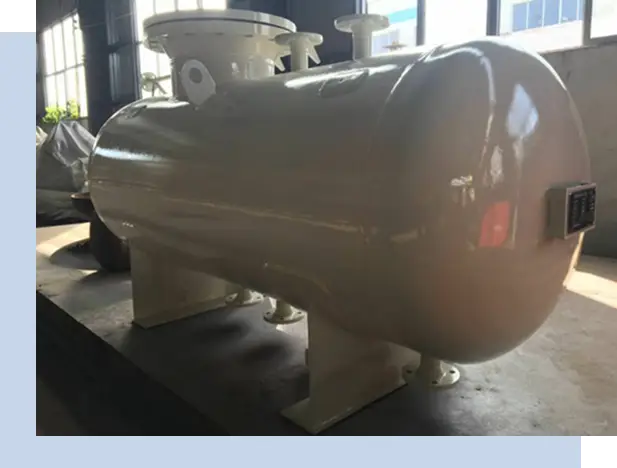

Food and Beverage
✔ Food products manufacturing
✔ Condiments manufacturing
✔ Beer, Wine and Liquor production
✔ Fermented Beverage Production
✔ Non-fermented beverage production
✔ Dairy products
✔ Water bottling
✔ Other food and beverage
Pharmaceuticals
✔ Biologics Pharmaceutical production
✔ Synthetic Pharmaceutical production
✔ Active pharmaceutical ingredient supply
✔ Formulation production
✔ Naturopathic remedies production
✔ Formulation R&D
✔ Contract research
✔ Bioanalytical R&D
✔ Synthetic R&D
✔ Other pharmaceuticals
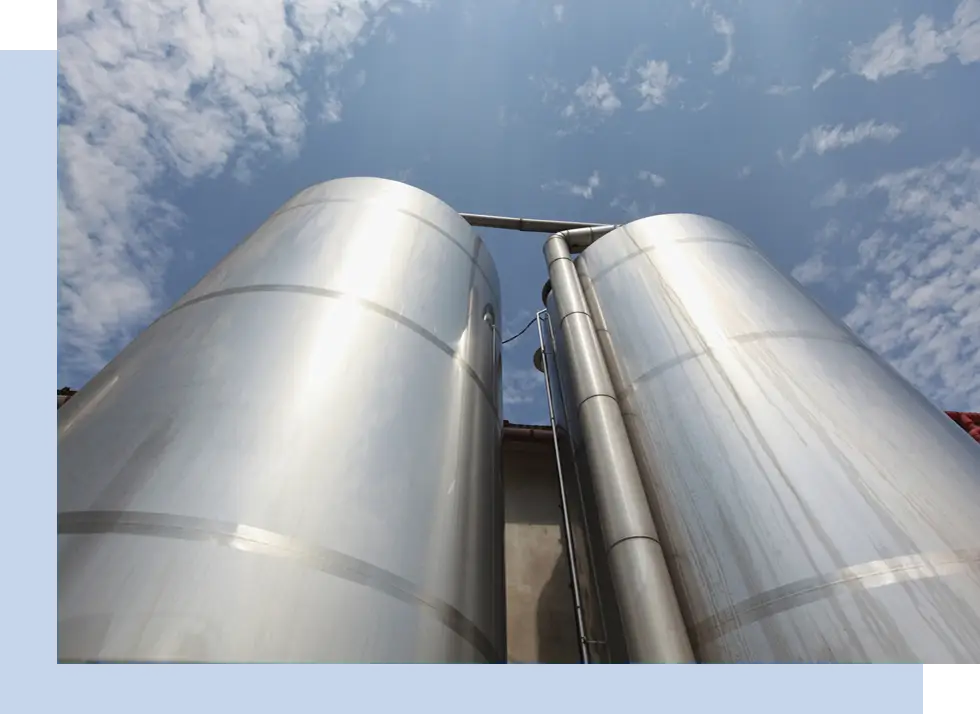
Water
✔ Waste water treatment
✔ Gravity filter water treatment
✔ Membrane filtration water treatment
✔ Reverse osmosis water treatment
✔ Other water treatment
Aggregates and Cement
✔ Concrete production
✔ Cement production
✔ Gravel and sand
✔ Fly ash and lye
✔ Other aggregates and cement
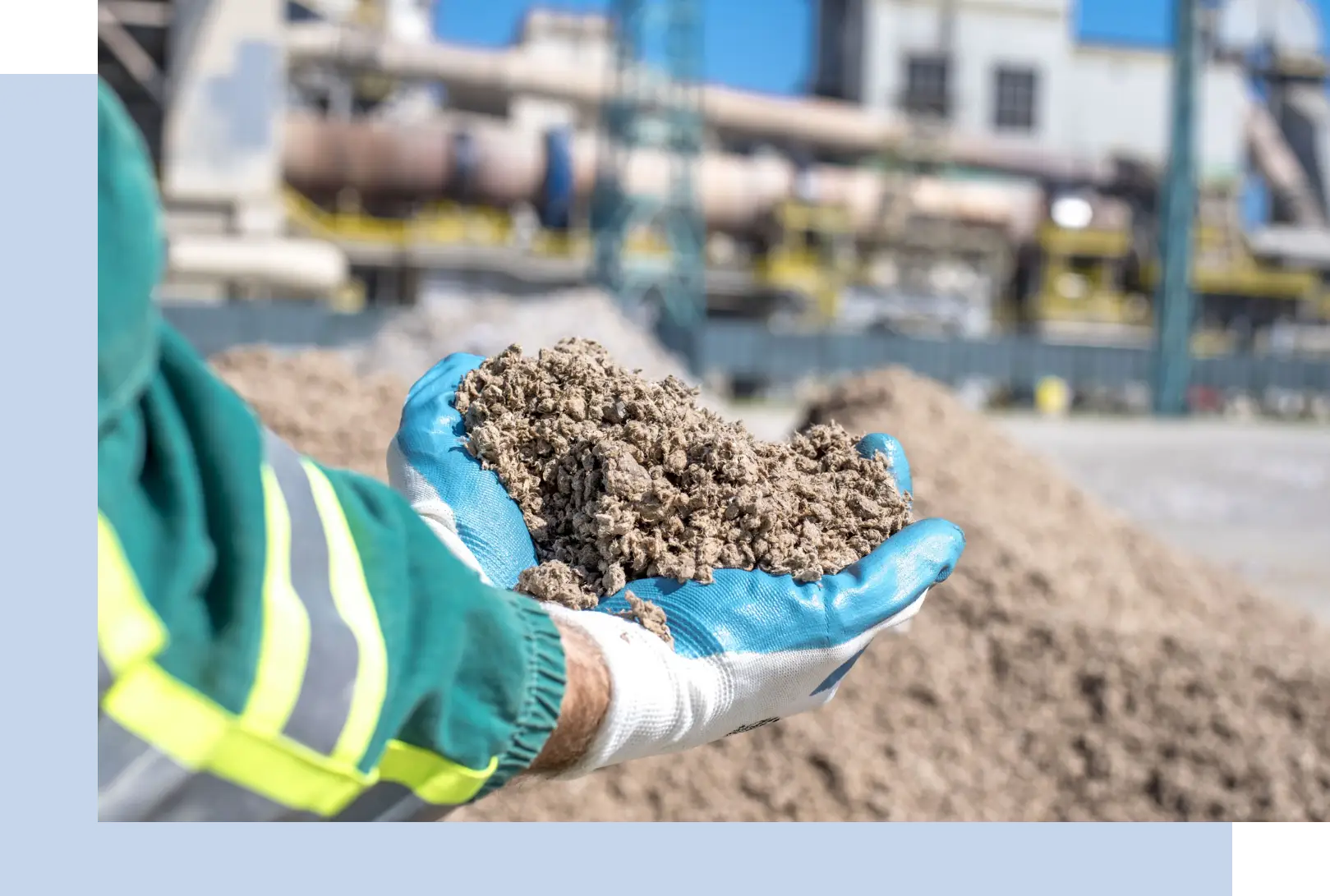
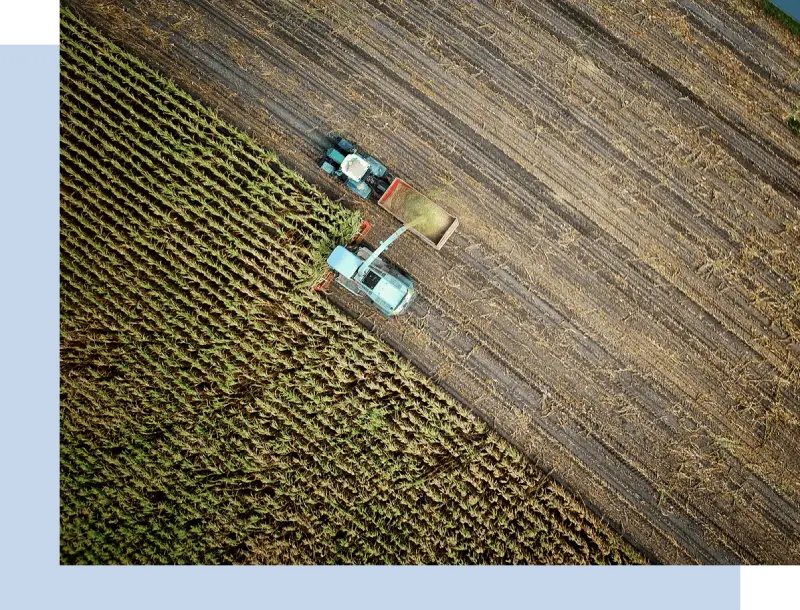
Agriculture
✔ Dairy
✔ Livestock
✔ Marijuana
✔ Poultry & eggs
✔ Sugar cane & sugar beats
✔ Tobacco
✔ Fruits and vegetables
✔ Farm equipment supply
✔ Irrigation systems
✔Other agriculture
✔Rubber
✔Sugar cane
✔Sugar beat
✔ Fish & crustaceans
Chemical & Industrial Gas Manufacturing
✔ Carbon dioxide
✔ Nitrogen
✔ Oxygen
✔Helium
✔ Soaps and detergents
✔ Plastic and synthetic rubber
✔ Manmade fibre
✔ Fertilizers
✔ Fine chemicals
✔ Specialty chemicals
✔ Paints and dyes
✔ Soap and detergents
✔ Perfumes and cosmetics

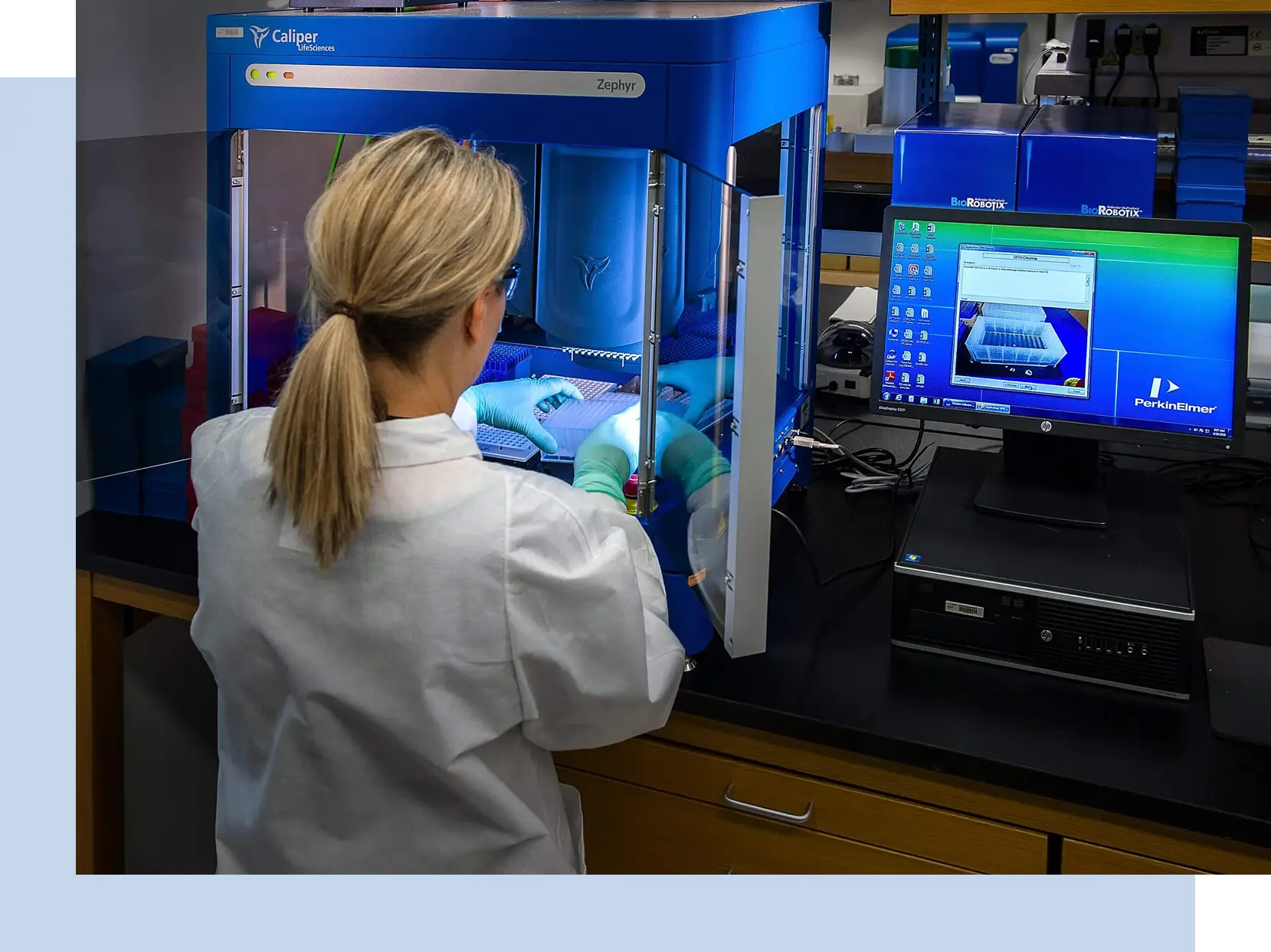
Conventional and Renewable Power
✔ Hydroelectric power
✔ Nuclear power
✔ Coal power
✔ Solar power
✔ Wind power
✔ Tidal power
✔ Geothermal power
✔ Utility infrastructure supply
✔ Sugar cane
✔ Sugar beat
✔ Fish & crustaceans
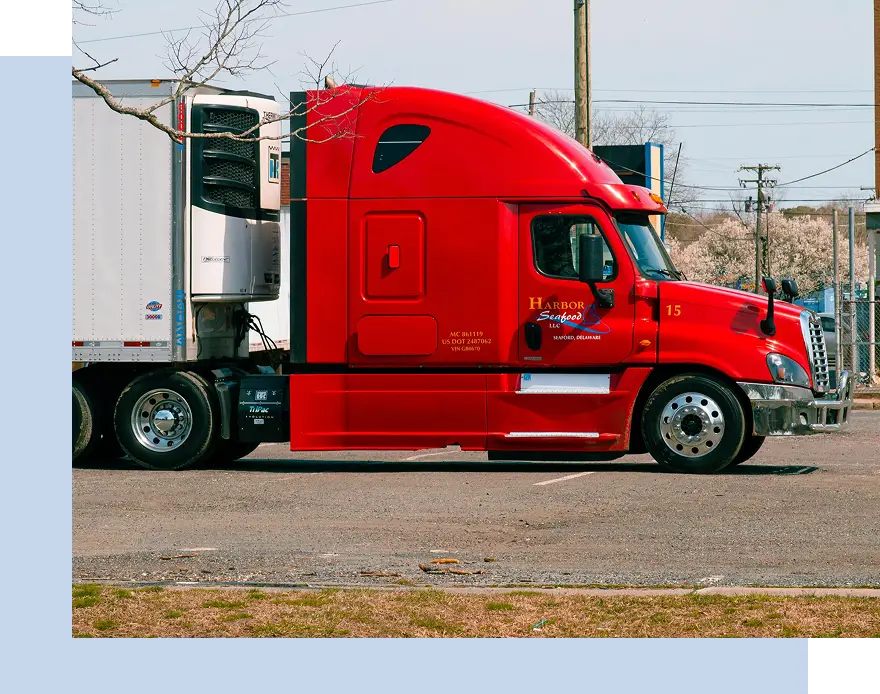
Transportation
✔ Transportation
✔ Electric vehicles
✔ Petroleum vehicles
✔ Hybrid vehicles
✔ Autonomous vehicles
✔ Freight railway
✔ Passenger railway
✔ People movers (shuttles)
✔ Subways/undergrounds
✔ Light rail transit
✔ Bus transit
✔ Ferry transit
✔ Marine transit
✔ Aerospace
✔ Other transit
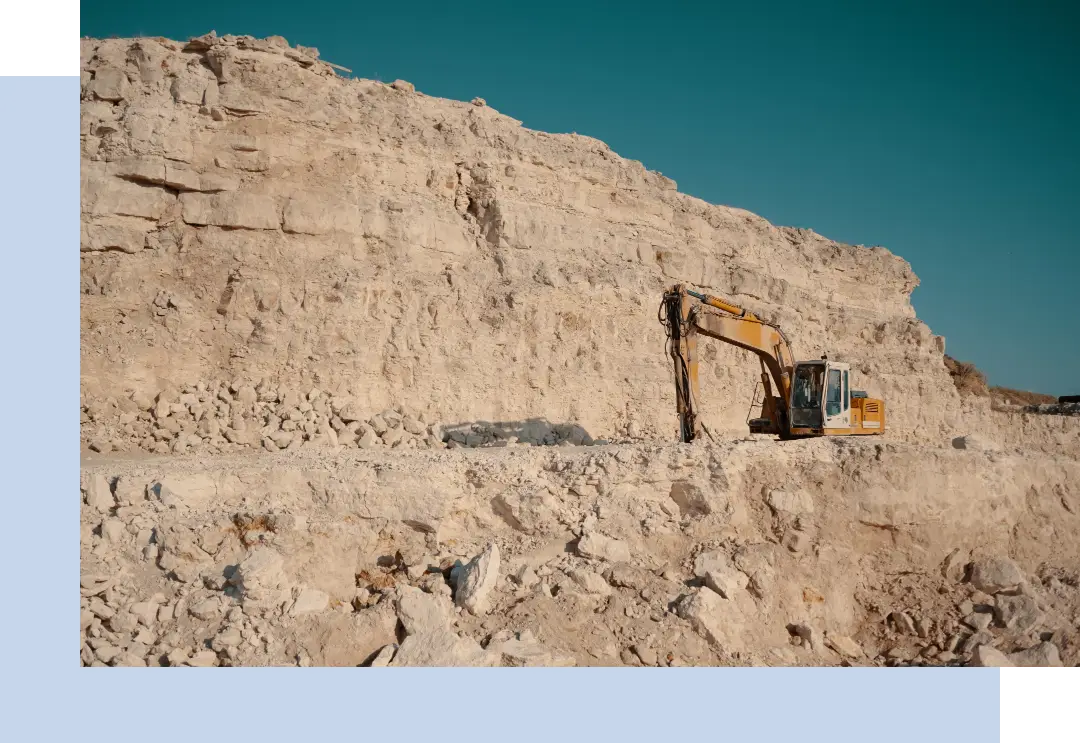
Mining
✔ Coal mining
✔ Mineral mining
✔ Precious metal mining
✔ Diamond mining
✔ Fine stone mining
Defense
✔ Aerospace
✔ Land-based
✔ Space-based
✔ Sea-based


Communication
✔ Satellite
✔ Fiber optics
✔ Cable
✔ Cellular
✔ Short wave
Logging, Timber and Paper Products
✔ Forestry
✔ Cutting Mills
✔ Pulp and paper


Healthcare
✔ Medical supplies manufacturing
✔ Medical equipment manufacturing
✔ Hospital supply
✔ Dentistry
✔ Optometry
✔ Clinic supply
Waste Management and Trash Collection
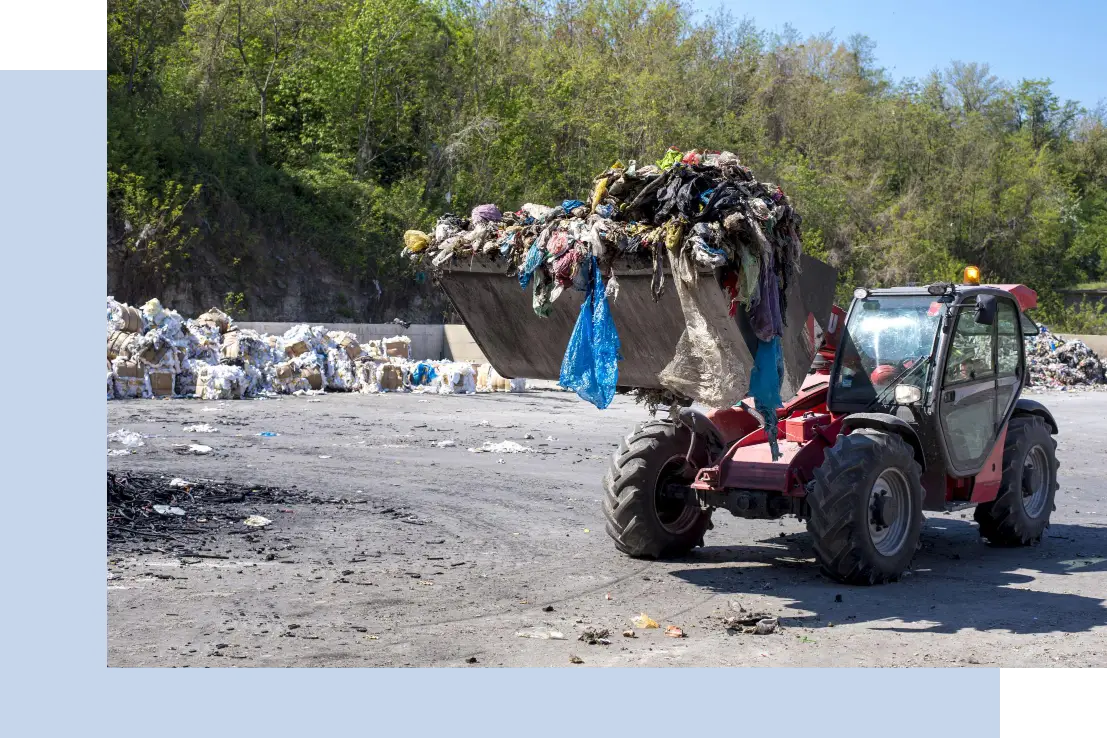
✔ Solid waste management
✔ Waste Recycling
✔ Waste sorting

Aerospace and Rocketry
Launch vehicles and their ground infrastructure run on pressure. Cryogenic propellants, high pressure helium and nitrogen for pressurization and purging, propellant loading skids, run tanks, test stands and static fire facilities all depend on pressure vessels, piping and fittings that must be registered before they can be installed and operated in Canada. Titan Research Group helps aerospace and launch companies get that equipment through the Canadian Registration Number (CRN) process and into service on schedule.
Most of this equipment is designed and built outside Canada, usually to EN standards under the European Pressure Equipment Directive or to other international codes. That is where launch projects run into trouble. Canadian provincial jurisdictions register pressure equipment against CSA B51 and the ASME codes, and a CE mark or PED certificate is not accepted on its own. Equipment that was fully compliant where it was built can arrive at a Canadian launch site with no legal path to operation. We work with clients early, ideally before purchase orders are placed, to map each item of equipment to the applicable Canadian requirement and decide whether it can be registered as designed, needs supplementary calculations or documentation, or should be specified differently at the outset.
The Equipment We Register, Managed to Your Launch Schedule
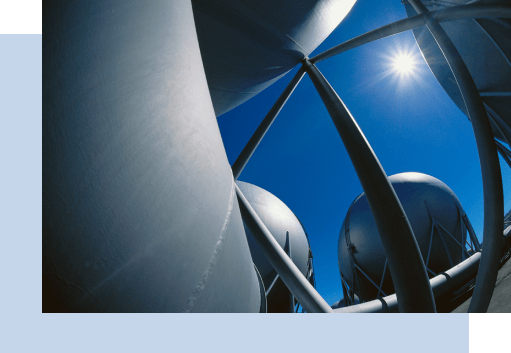
Our engineers cover the full range of equipment found at a launch complex and its supporting facilities: cryogenic storage tanks and run tanks for liquid oxygen, liquid methane and liquid nitrogen, high pressure gas storage and tube trailers for helium and nitrogen, propellant and pressurant piping systems to ASME B31.3, valves, fittings and flexible connections registered as Category H fittings, pressure relief devices and their sizing, and vacuum jacketed transfer lines. We also advise on where the boundary sits between flight hardware, which is typically treated differently under provincial pressure equipment regulation, and the fixed ground support equipment that must be registered, so clients register what they need to and no more.
Launch programs run on hard dates, and pressure equipment registration is often on the critical path. We manage the submissions, respond to reviewer questions on the client's behalf, and coordinate with the authorized inspection agency and the provincial regulator so that registration, installation inspection and commissioning line up with the construction schedule rather than delaying it.
If your organization is bringing launch or test infrastructure to Canada, contact us to discuss a compliance strategy for your pressure equipment.
CLIENTS WE’VE SERVED OUR CRN REGISTRATION SERVICES













Contact Our Professional Engineers
Call us today at:
TOLL FREE +1 800 820 0092
GERMANY TOLL FREE +0800 181 0229
INTERNATIONAL +011 49 800 181 0229