CRN BC Certification & Engineering Services
Trusted CRN & Pressure Equipment Engineering Support Across BC
CRN registration in BC is mandatory for any pressure vessel, boiler, fitting, or piping system before it goes into service in the province. Titan Research Group (TRG) provides specialised CRN certification and pressure equipment engineering services in British Columbia for manufacturers, fabricators, and engineering firms, including the design submissions reviewed by Technical Safety BC (TSBC). With more than 20 years of industry leadership, we support local and international companies handling Canada’s complex pressure equipment regulations.
What Titan Research Group Does
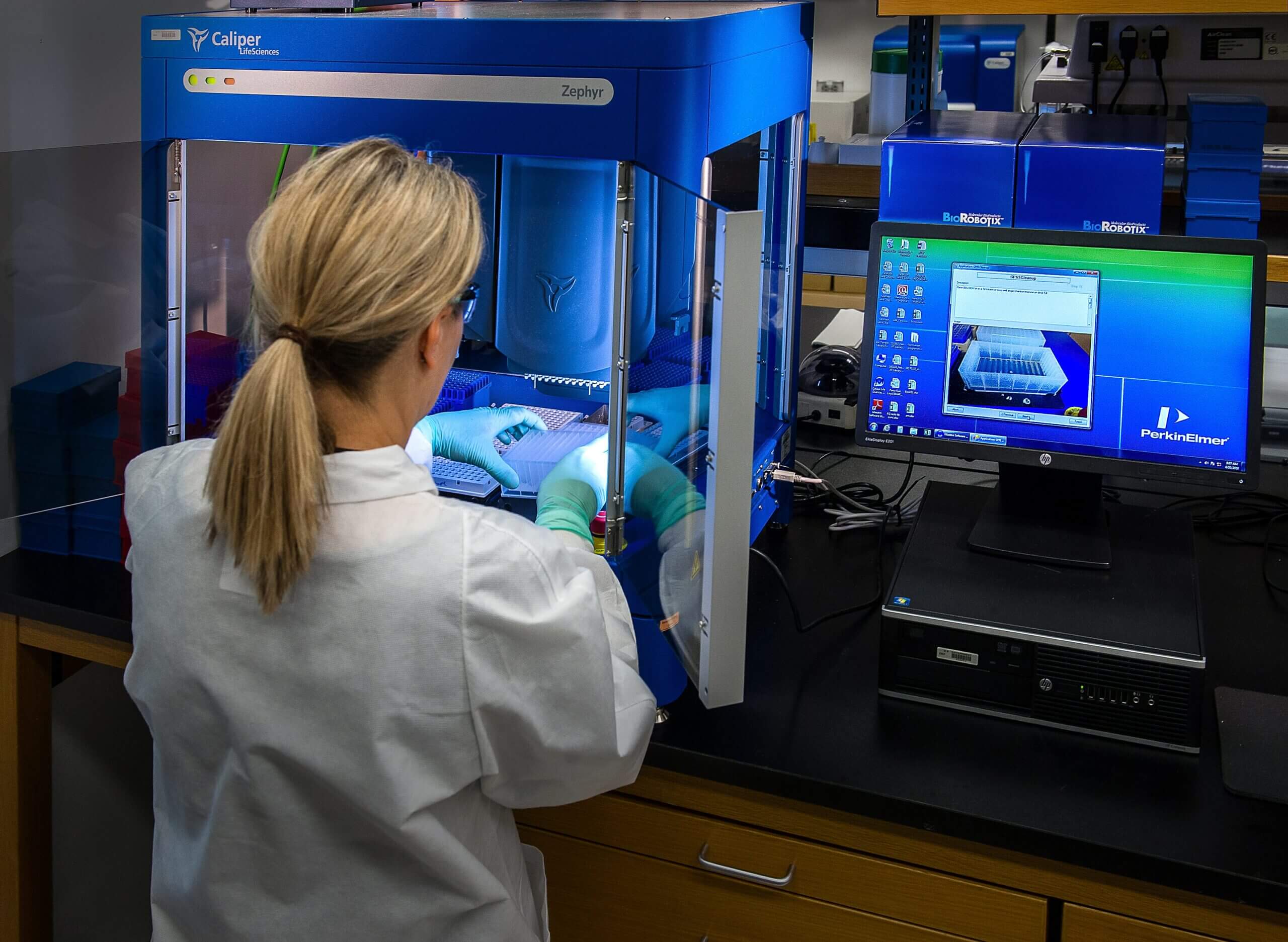
TRG supports the full lifecycle of pressure equipment approval and verification. We work alongside manufacturers and engineers to review designs, perform required calculations and testing, and prepare documentation needed for submission to Canadian authorities.
Our role is to help clients understand regulatory expectations, address technical gaps early, and reduce approval delays by submitting well-supported, review-ready packages.
Understanding CRN Approval Requirements in British Columbia
Any pressure equipment used, installed, or sold in British Columbia must receive formal design acceptance before it can be put into service. This approval process confirms that pressure vessels, piping systems, boilers, and fittings have been reviewed against applicable Canadian safety codes and provincial regulations.
Handling these requirements can be time-consuming, especially when designs involve non-standard components or cross-border manufacturing. With decades of hands-on experience supporting manufacturers and engineers, our team manages the technical reviews, documentation, and jurisdictional coordination required to move designs through approval without unnecessary delays. The result is a clear path to regulatory acceptance and a smoother route to market for pressure equipment in BC.

Why Design Registration Is Critical for Pressure Equipment in British Columbia
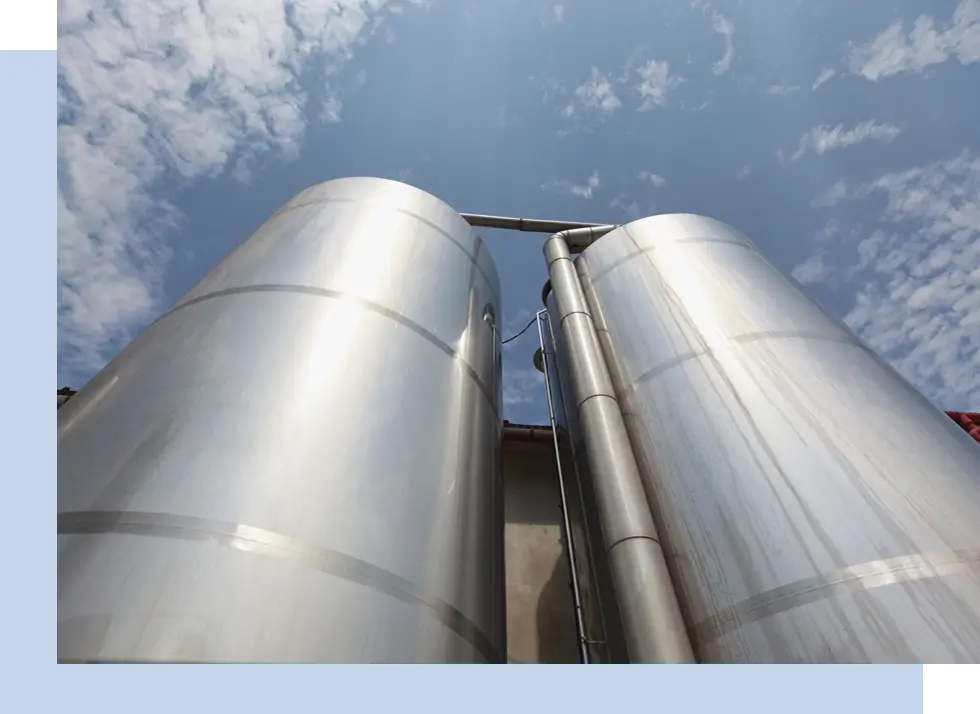
British Columbia enforces strict oversight on pressure equipment to reduce operational risk and protect public safety. Design registration plays a central role in this system by confirming that pressure-retaining components have been evaluated against applicable Canadian codes before they are installed or placed into service.
Beyond safety, registration is a legal prerequisite. Equipment that has not been formally accepted can be rejected during inspections, delayed at commissioning, or prevented from entering the provincial market altogether. These setbacks often result in added costs, missed deadlines, and avoidable redesign work.
Approved designs also strengthen a company’s standing within regulated industries. Demonstrating that equipment meets provincial and national requirements signals technical competence and due diligence, which is especially important when working with utilities, energy operators, municipalities, and large industrial buyers.
From a commercial perspective, having approvals in place removes barriers during procurement, installation, and inspection, allowing manufacturers and project teams to move forward and fewer regulatory interruptions.
Pressure Equipment Services Available in British Columbia


Quality Assurance (QA)

Regulatory and Compliance Consulting
Supporting BC Industries and Applications
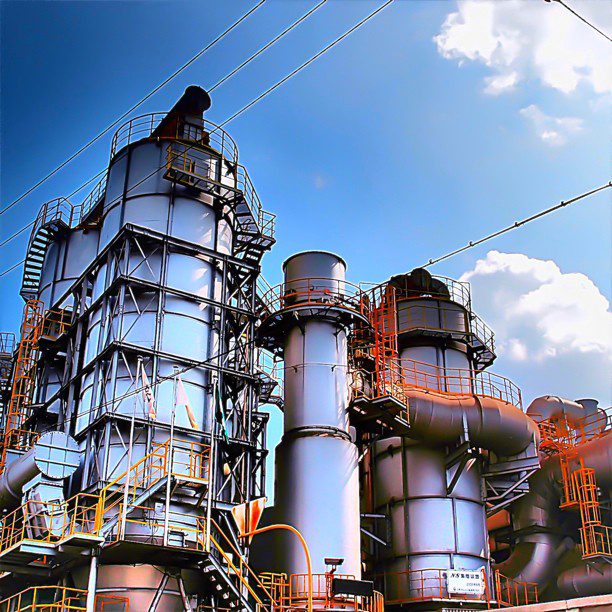
British Columbia’s industries rely on pressure equipment across energy, manufacturing, marine, forestry, food processing, utilities, and infrastructure projects. TRG supports equipment used in both stationary and mobile applications, including custom fabrications and imported systems.
We work with BC-based companies as well as out-of-province and international manufacturers supplying equipment into British Columbia, helping them meet local approval requirements before installation or operation.
Working With British Columbia Safety Authorities
Pressure equipment used in British Columbia is subject to provincial regulations and review by the appropriate safety authority. TRG prepares documentation packages aligned with current regulatory expectations, applicable codes, and accepted engineering practices.
Our experience across multiple jurisdictions allows us to anticipate review questions, address regional interpretation differences, and support clients through revisions or resubmissions when required.
Technical Safety BC (TSBC) Pressure Equipment Requirements
Technical Safety BC is the provincial authority responsible for regulating pressure equipment in British Columbia. Unlike most provinces, BC operates an independent, self-funded safety regulator rather than a government department, so every CRN submission for a boiler, pressure vessel, fitting, or piping system is reviewed against the BC Safety Standards Act and the Power Engineers, Boiler, Pressure Vessel and Refrigeration Safety Regulation.
For TSBC pressure equipment approval, designs are assessed against ASME BPVC, CSA B51, and CSA B31 piping codes before a registration number is issued. Fittings registered under category A, B, C, E, F, G, or H each carry their own documentation expectations, and TSBC reviewers will check that drawings, calculations, material certifications, and manufacturer data reports are complete before acceptance.
Because BC does not automatically accept a CRN registered in another province for every equipment class, manufacturers shipping into the province often need a dedicated BC pressure vessel registration. TRG prepares submissions that match Technical Safety BC formatting and code-citation expectations, which reduces the back-and-forth that typically slows down provincial review. You can read more about how the national system works on our Canadian Registration Number overview.
The BC CRN Registration Process
Getting a CRN in British Columbia follows a defined sequence, and knowing each step ahead of time prevents the most common rejections:
1. Identify the equipment category: Determine whether the item is a vessel, boiler, fitting, or piping system, and which CSA B51 category and ASME code section apply. This decides what calculations and data TSBC will expect.
2. Compile the design package: Drawings, design calculations, material test reports, and a manufacturer data report are assembled. Where a design relies on unlisted components, burst or proof testing may be needed to establish the maximum allowable working pressure.
3. Submit to Technical Safety BC: The package is filed with TSBC along with the applicable registration fee. A statutory declaration or professional engineer’s certification is required for many equipment classes.
4. Respond to review comments: TSBC reviewers may request clarifications or revised calculations. Fast, well-documented responses keep the file moving and protect your installation timeline.
5. Receive the BC CRN: Once accepted, the equipment is assigned a registration number valid for use in the province, with renewals tracked for fittings that carry expiry terms.
TRG can manage this end to end or step in where you are stuck. See our expert CRN help for hands-on support with calculations and submissions, and our boilers and pressure vessels services for equipment-specific registration. Companies also registering in neighbouring provinces can review our Alberta, Ontario, and Saskatchewan CRN pages to plan multi-jurisdiction approvals.
Why Businesses Across British Columbia Choose Titan Research Group

Established Regulatory Experience

Complete CRN Support in One Place

Engineering-Led Submissions
Industry-Specific Knowledge

Strategic Approval Planning
Direct Communication & Ongoing Support

Get Expert CRN Registration Help in BC
Need to meet CRN requirements in British Columbia? Reach out to Titan Research Group today! Our experts are ready to guide you through the certification process efficiently.
Call us today at:
TOLL FREE +1 800 820 0092
GERMANY TOLL FREE +0800 181 0229
INTERNATIONAL +011 49 800 181 0229
CLIENTS WE’VE HELPED WITH CRN REGISTRATION