Canadian Registration Number (CRN) Services


Canadian Registration Number (CRN) Registration Services
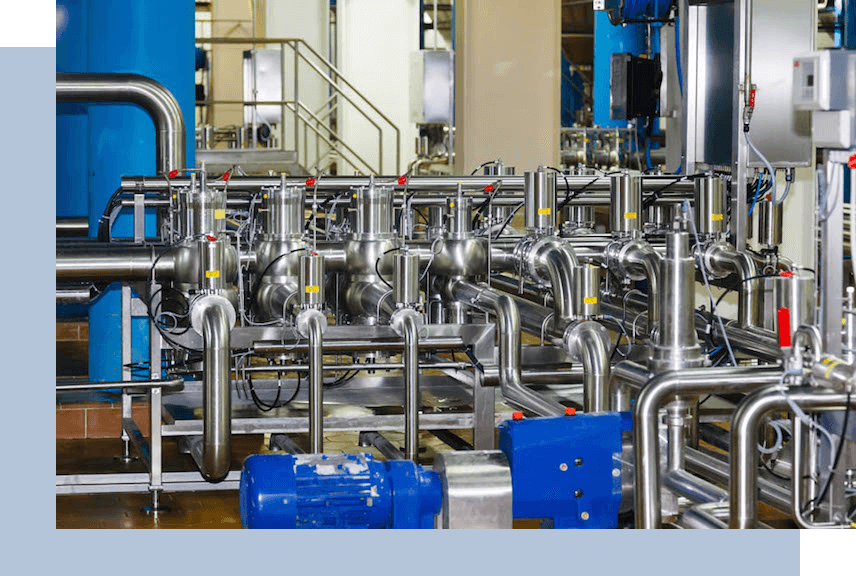

Canadian regulations require a valid Canadian Registration Number (CRN) for most pressure equipment, fittings, piping systems, pressure vessels & boilers operating over 15 psi (1 bar). Some exemptions apply.

For over TWENTY YEARS, Titan Research Group has helped leading global engineering & manufacturing companies with CRN applications.

We provide:

  • Code Calculations
  • Witnessed proof testing
  • CRN project management
  • Training and knowledge transfer
  • Application documentation preparation

The CRN application and renewal process can be complex. Depending on the type of pressure equipment, registration may require witnessed burst testing and/or extensive American Society of Mechanical Engineers (ASME) code calculations. 

A well-informed and strategically planned application can lead to rapid approval and easy renewal down the road. Trust Titan Research Group to secure your CRN on time so your projects can move forward without delay!

How We Make the CRN Process Look Easy

We use a simple, proven, and strategic approach to guide our clients through the complexities of the CRN certification process for pressure equipment, fittings, and piping systems.

Here is how we handle everything from start to end to make the entire process look easy to our clients. 

Initial consultation: We understand our client’s specific needs and review requirements for their equipment. 

Code compliance verification: We cross-check your equipment specs with the latest regulations to make sure everything lines up just right. 

Documentation: We handle all the paperwork whether it is related to preparing application documents, gathering supporting documents, or submitting everything on time. 

Submission and follow-up: We submit the application to the appropriate authority. We monitor its status and handle the follow-up issues quickly. 

Ongoing support and project tracking: We never leave our clients midway. We are on your team and keep tabs on progress so that no detail slips through the cracks.

We Stay on Top of Things

Titan Research Group staff attend ASME code and standard committee meetings regularly & stay abreast of the latest pressure law, regulation updates, director’s orders, minister’s orders, safety authority news, and code adoption documents. This deep involvement improves our expertise and allows us to anticipate changes and adapt strategies quickly. 

Titan Research Group also acts as a Canadian delegate for the ASME Bioprocessing Equipment Standard committee, with bioprocessing projects and contacts across North America. Titan Research Group is your go-to source for staying informed and competitive.

CLIENTS WE’VE HELPED WITH OUR CRN SERVICE

Document Logo Slider
Logo 1 Logo 2 Logo 3 Logo 4 Logo 6 Logo 9 Logo 13 Logo 13 Logo 13 Logo 13 Logo 13 Logo 13 Logo 13 Logo 13 Logo 13 Logo 13 Logo 13 Logo 13 Logo 13 Logo 13 Logo 13 Logo 13 Logo 13 Logo 13 Logo 13 Logo 13 Logo 13 Logo 13 Logo 13 Logo 13 Logo 13 Logo 13

FAQs About CRN Help in Canada

What is a CRN for Canada?
A Canadian Registration Number (CRN) is a unique alphanumeric identifier issued by a provincial or territorial safety authority in Canada. It shows that the design of pressure equipment, such as boilers, pressure vessels, piping systems, or fittings, has been reviewed and registered for use in that jurisdiction.
What does CRN stand for?
CRN stands for Canadian Registration Number; the official registration number granted to pressure equipment designs that meet Canada’s safety and regulatory requirements.
What is the difference between CSA and CRN?
CSA refers to the Canadian Standards Association, which develops technical safety standards like CSA B51 for boilers, pressure vessels, and piping. A CRN is the registration number showing that a specific design has been accepted by a safety authority as compliant with these standards. In other words, CSA defines the safety rules, and the CRN shows your equipment meets them.
Why is CRN required?
CRN registration is required because Canadian law mandates that most pressure equipment designs must be accepted by a provincial or territorial authority before the equipment can be legally used in that jurisdiction. Without a valid CRN, equipment cannot be sold, installed, or operated in most provinces or territories.
What are the benefits of having a CRN?
Having a CRN provides: Legal compliance across Canadian jurisdictions Safety assurance because the design meets required codes Market access so you can sell and use the equipment in multiple provinces Credibility with regulators, clients and insurers Reduced liability risk by verifying regulatory acceptance before installation.
How do I get the CRN?
To get a CRN: Prepare technical drawings and specifications. Conduct required engineering analysis (e.g., code calculations, proof testing) as per applicable standards. Submit your application to the appropriate provincial or territorial authority. Titan Research Group can manage this entire process and guide you through documentation, follow‑up, and approvals.
What is a CRN used for?
A CRN is used to: Legally register pressure vessels, boilers, piping, and fittings Demonstrate regulatory acceptance during inspections Support compliance during audits or safety reviews Justify equipment deployment in regulated industries.
What is the meaning of CRN in government?
In government regulation, CRN represents the official registration status issued by safety authorities showing that a pressure equipment design meets the applicable safety code and is permitted for use within their jurisdiction.
What needs a CRN?
Most pressure equipment designs that operate above 14.5-15 psi (1 bar), such as: Boilers Pressure vessels Pressure piping systems Fittings and custom assemblies This equipment must have a CRN to be legally installed and operated in Canada.
What is the meaning of a CRN certificate?
A CRN certificate is the official document showing that a provincial or territorial authority has accepted and registered your pressure equipment design. It includes the assigned Canadian Registration Number, which you must reference when manufacturing, installing, or using the equipment in Canada.