
CRN Quebec: Pressure Equipment Registration & RBQ Compliance Services
Expert CRN Quebec Guidance and Pressure Equipment Registration Support
Getting a CRN in Quebec (CRN Québec) requires working directly with the Régie du bâtiment du Québec (RBQ), the provincial authority responsible for pressure equipment registration. Quebec manufacturers, fabricators, and engineering teams turn to Titan Research Group (TRG) for trusted support in CRN registration and pressure equipment compliance. Every boiler, pressure vessel, fitting, and piping system operating above 15 psi in the province must carry a valid Canadian Registration Number issued through the RBQ.
With more than 20 years of experience, TRG helps Quebec businesses manage the complex technical and regulatory requirements. Our team makes sure that design submissions are fully compliant and aligned with RBQ standards, streamlining approvals, reducing the risk of revisions, and keeping projects on track. Whether you need CRN certification help for a single component or a full product line, TRG delivers the engineering expertise and RBQ CRN registration knowledge that gets results.
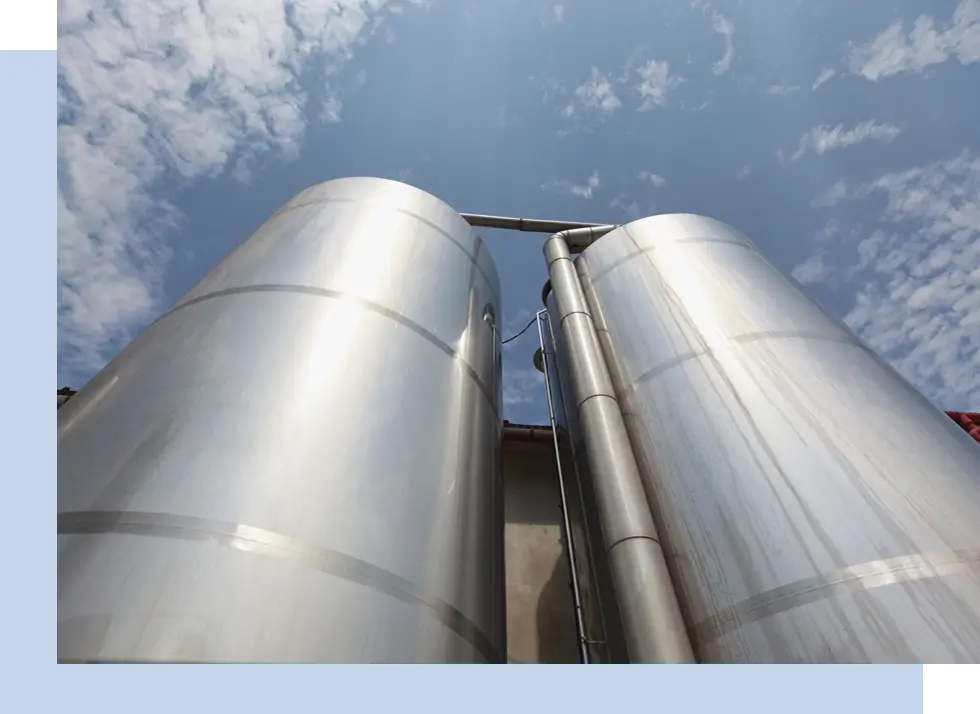
CRN and Pressure Equipment Services Available in Quebec


Quality Assurance (QA)

Regulatory and Compliance Consulting

Why CRN Registration Matters in Quebec
CRN registration in Quebec is mandatory for all boilers, pressure vessels, and fittings operating at pressures above 15 psi. It ensures legal operation, confirms equipment safety, and protects people, property, and businesses.
Submitting accurate, complete design documentation to the RBQ prevents costly delays, reduces inspection issues, and provides legal assurance. Compliance strengthens manufacturer credibility, facilitates inspections, and allows faster market access for equipment used in Quebec and other Canadian provinces. TRG’s team works closely with Quebec manufacturers to prepare technically sound submissions that align with RBQ requirements, helping you achieve timely CRN approvals.
Operating pressure equipment without a valid CRN Quebec registration can result in stop-work orders, equipment seizures, financial penalties, and personal liability for company directors. The RBQ actively enforces these rules through site inspections and audits, making proper registration a business-critical priority rather than a formality. Manufacturers who also sell into other provinces, such as Ontario or Alberta, should note that each jurisdiction issues its own CRN, and Quebec CRN requirements have province-specific documentation standards that differ from TSSA or ABSA processes.

Get Expert CRN Registration Help in Quebec
Need to meet CRN requirements in Quebec? Reach out to Titan Research Group today! Our experts are ready to guide you through the certification process efficiently.
Call us today at:
TOLL FREE +1 800 820 0092
GERMANY TOLL FREE +0800 181 0229
INTERNATIONAL +011 49 800 181 0229
CLIENTS WE HAVE HELPED WITH CRN IN QUEBEC



























RBQ Requirements for CRN Québec: What Manufacturers Must Know
The Role of the Régie du bâtiment du Québec (RBQ)
The RBQ is Quebec's regulatory authority for building safety, including all pressure equipment used within the province. Unlike provinces where a dedicated boiler and pressure vessel safety authority (such as ABSA in Alberta or TSSA in Ontario) handles CRN registrations, Quebec places this responsibility under the RBQ's broader mandate. The RBQ reviews pressure equipment designs, issues CRNs, conducts field inspections, and enforces compliance with the province's safety laws.
Every manufacturer, importer, or installer who brings RBQ pressure equipment into the Quebec market must work within the RBQ's regulatory framework. This includes foreign manufacturers shipping products to Quebec job sites, as well as domestic fabricators producing equipment locally.
Quebec-Specific Pressure Equipment Regulations
Quebec's pressure equipment regulations are governed primarily by the Building Act and the Regulation respecting pressure installations. These laws mandate that all boilers and pressure vessels CRN registrations follow CSA B51 (Boiler, Pressure Vessel, and Pressure Piping Code) and reference ASME Boiler and Pressure Vessel Code (BPVC) design standards.
Key regulations include:
- Design registration obligation: All pressure vessels, boilers, fittings, and pressure piping operating above 15 psi must hold a valid CRN before installation or operation in Quebec.
- Authorized inspection requirements: Certain equipment categories require third-party inspection by an RBQ-recognized inspection agency during and after fabrication.
- Installation permits: Contractors installing registered pressure equipment must obtain installation permits from the RBQ and use qualified personnel.
- Periodic in-service inspections: Registered equipment is subject to scheduled inspections throughout its operational life to verify ongoing compliance and safety.
- Record retention: Manufacturers and owners must maintain design records, inspection reports, and CRN documentation for the life of the equipment.
When Is CRN Approval Required in Quebec?
CRN approval through the RBQ is required before any of the following pressure equipment is installed, sold, or operated in Quebec:
- Pressure vessels with a maximum allowable working pressure (MAWP) above 15 psi
- Steam and hot water boilers
- Pressure fittings including valves, flanges, strainers, and couplings above 15 psi
- Pressure piping systems and skid-mounted assemblies
- Expansion tanks and heat exchangers used in industrial and commercial applications
Equipment operating below the 15 psi threshold may be exempt, but manufacturers should confirm exemption status directly with the RBQ before proceeding with fabrication or installation.
How Quebec CRN Requirements Differ from Other Provinces
While all Canadian provinces require CRN registration for pressure equipment under CSA B51, Quebec's process has several distinct characteristics:
- Regulatory authority: Quebec uses the RBQ, a multi-discipline building regulator, rather than a specialized pressure safety authority like ABSA in Alberta or TSSA in Ontario.
- Language requirements: The RBQ requires documentation submitted in French, or accompanied by certified French translations. This is unique among Canadian jurisdictions and catches many manufacturers off guard.
- Installation permitting: Quebec ties CRN registration directly to installation permits, meaning unregistered equipment cannot legally be installed even on a temporary basis.
- Enforcement approach: The RBQ's field inspection program is active, with inspectors verifying CRN stamping and documentation on job sites. Penalties for non-compliance can include fines, project shutdowns, and legal liability.
Compliance Requirements for Manufacturers and Contractors
Both manufacturers and contractors working with pressure equipment in Quebec have specific obligations under RBQ rules:
For manufacturers:
- Register every pressure equipment design with the RBQ before selling or shipping to Quebec
- Maintain an acceptable quality assurance (QA) program for fabrication
- Provide engineer-certified calculations, drawings, and material certifications with each submission
- Stamp completed equipment with the assigned CRN and relevant data plate information
For contractors and installers:
- Verify that all pressure equipment carries a valid Quebec CRN before installation
- Obtain required RBQ installation permits
- Use qualified tradespeople for installation work
- Coordinate post-installation inspections as required
How to Register Pressure Equipment in Quebec: Step-by-Step CRN Process
Pressure equipment registration Quebec involves a multi-step process that demands technical precision and familiarity with RBQ procedures. Below is a detailed breakdown of each phase in the CRN Québec registration process.
Step 1: Gather Required Documentation
Before you submit anything to the RBQ, assemble the following documentation:
- Engineering drawings: Complete fabrication drawings showing dimensions, materials, welding details, nozzle configurations, and design conditions (pressure, temperature)
- Design calculations: Signed and sealed by a licensed professional engineer (P.Eng.) qualified in pressure equipment design. Calculations must reference the applicable ASME BPVC section or CSA standard.
- Material certifications: Mill test reports (MTRs) for all pressure-retaining components
- Welding procedure specifications (WPS): Including procedure qualification records (PQRs) for all welding processes used
- Quality control documentation: Description of the manufacturer's QA/QC program, including inspection checkpoints and acceptance criteria
- CRN application form: Completed with equipment specifications, design codes referenced, and intended provinces of registration
All documentation must be in French or accompanied by certified French translations per RBQ language requirements.
Step 2: Complete the Design Review Process
Before submission, a qualified P.Eng. must review the complete design package. This review confirms that:
- Design calculations are accurate and reference the correct code edition
- Drawings match the calculation assumptions (wall thickness, material grades, weld joint efficiencies)
- All components fall within the code's allowable limits for the specified operating conditions
- Safety devices (relief valves, rupture disks) are properly sized and specified
TRG's engineering team performs thorough pre-submission reviews to catch errors before the RBQ sees the package, saving weeks of back-and-forth corrections. If you need CRN certification help with your design review, our engineers are available to start immediately.
Step 3: Submit to the RBQ
The completed application package is submitted to the RBQ for formal review. Key points about the RBQ submission process:
- Submissions are made directly to the RBQ's technical review division
- The RBQ assigns a file number and begins technical evaluation
- The reviewing engineer may issue Technical Information Requests (TIRs) if documentation is incomplete or requires clarification
- Responding to TIRs promptly and thoroughly is critical to avoiding extended delays
Step 4: RBQ Technical Review and Approval
During the technical review phase, the RBQ engineer evaluates the design against applicable codes and Quebec-specific requirements. The review covers:
- Code compliance verification (ASME BPVC, CSA B51)
- Material suitability for the specified operating environment
- Welding and fabrication procedure adequacy
- Safety device sizing and configuration
- QA program acceptability
Once the RBQ is satisfied with the submission, they issue the CRN, which is stamped on the equipment's data plate.
Step 5: Post-Approval Requirements
After receiving the CRN, manufacturers must:
- Stamp each unit with the assigned CRN on the nameplate
- Maintain records of all registered designs and any subsequent modifications
- Notify the RBQ of any design changes and submit updated documentation for re-approval
- Coordinate required inspections during and after fabrication
Timeline Expectations for Quebec CRN Approval
Typical CRN approval timelines in Quebec vary based on several factors:
- Standard submissions with complete, error-free documentation: 6 to 12 weeks
- Complex or custom designs requiring additional review: 12 to 20+ weeks
- Submissions with deficiencies that generate TIRs: add 4 to 8 weeks per round of corrections
The single biggest factor in approval speed is submission quality. Incomplete packages, incorrect code references, or missing French translations routinely cause delays. Working with CRN specialists like TRG significantly reduces the risk of these common issues.
Common Approval Delays and How to Avoid Them
Based on our 20+ years of experience managing Quebec CRN applications, the most frequent causes of delays include:
- Missing or incorrect French translations of technical documents
- Calculation errors or references to outdated code editions
- Incomplete material certifications or missing MTRs
- Discrepancies between drawings and calculations (e.g., different wall thicknesses)
- Inadequate QA program documentation
- Missing or undersized safety device specifications
TRG's pre-submission review process catches these issues before your application reaches the RBQ, helping you avoid costly delays and resubmissions. For manufacturers new to the Quebec market, our team provides end-to-end support from initial design review through final CRN issuance.