CRN Registration and Pressure Equipment Services in Quebec


Expert CRN Guidance and Pressure Equipment Support in Quebec

Quebec manufacturers, fabricators, and engineering teams turn to Titan Research Group (TRG) for trusted support in CRN registration and pressure equipment compliance. In this province, boilers, pressure vessels, fittings, and piping systems must follow approved designs and carry Canadian Registration Numbers (CRNs) issued by the Régie du bâtiment du Québec (RBQ).

With more than 20 years of experience, TRG helps Quebec businesses manage the complex technical and regulatory requirements. Our team makes sure that design submissions are fully compliant and aligned with RBQ standards, streamlining approvals, reducing the risk of revisions, and keeping projects on track.
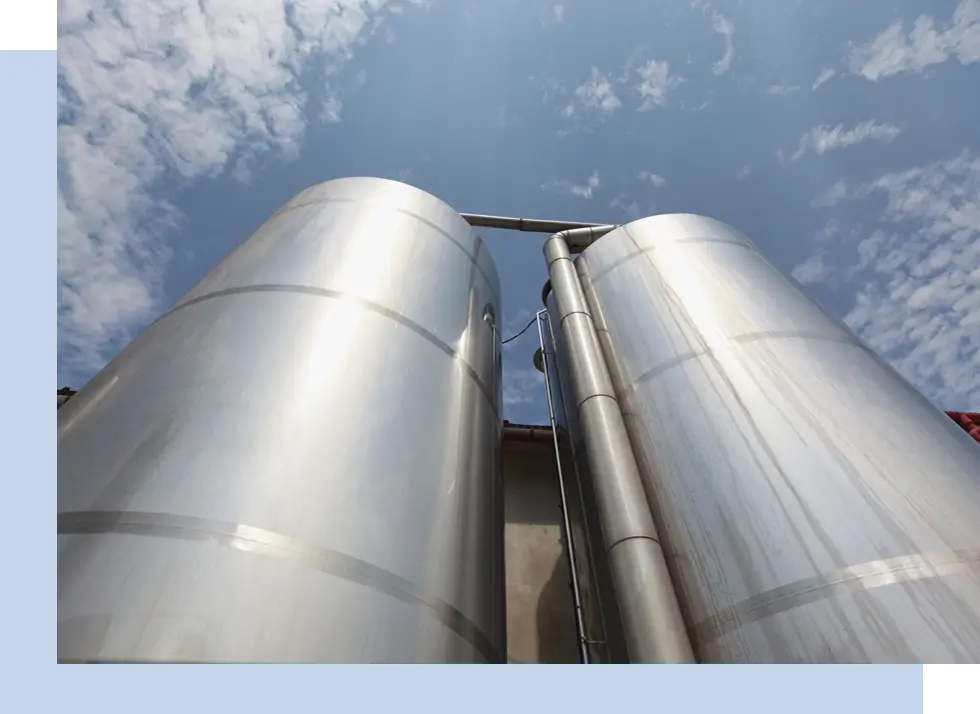
CRN and Pressure Equipment Services Available in Quebec

Why CRN Registration Matters in Quebec

CRN registration in Quebec is mandatory for all boilers, pressure vessels, and fittings operating at pressures above 15 psi. It ensures legal operation, confirms equipment safety, and protects people, property, and businesses.

Submitting accurate, complete design documentation to the RBQ prevents costly delays, reduces inspection issues, and provides legal assurance. Compliance strengthens manufacturer credibility, facilitates inspections, and allows faster market access for equipment used in Quebec and other Canadian provinces. TRG’s team works closely with Quebec manufacturers to prepare technically sound submissions that align with RBQ requirements, helping you achieve timely CRN approvals.

Get Expert CRN Registration Help in Quebec

Need to meet CRN requirements in Quebec? Reach out to Titan Research Group today! Our experts are ready to guide you through the certification process efficiently.

CLIENTS WE HAVE HELPED WITH CRN IN QUEBEC
Document Logo Slider
Logo 1 Logo 2 Logo 3 Logo 4 Logo 6 Logo 9 Logo 13 Logo 13 Logo 13 Logo 13 Logo 13 Logo 13 Logo 13 Logo 13 Logo 13 Logo 13 Logo 13 Logo 13 Logo 13 Logo 13 Logo 13 Logo 13 Logo 13 Logo 13 Logo 13 Logo 13 Logo 13 Logo 13 Logo 13 Logo 13 Logo 13 Logo 13

FAQs About CRN and Pressure Equipment Services in Quebec

Who issues CRNs in Quebec?
The Régie du bâtiment du Québec (RBQ) issues CRNs for pressure equipment designs used in Quebec.
What equipment requires CRN registration in Quebec?
Boilers, pressure vessels, fittings (valves, flanges, couplings), and pressure piping systems operating above 15 psi.
What documentation is required for a Quebec CRN submission?
Drawings, engineer-signed calculations, specifications, material certifications, and proof of a quality control program for fabrication.
Can CRN submissions be multi-jurisdictional?
Yes. The RBQ allows manufacturers to request CRNs for Quebec and other provinces in a single submission.
Do you handle custom equipment CRN applications?
Yes. TRG manages CRN registration for both standard and custom pressure equipment, including engineering review, documentation, and RBQ coordination.
Is pressure testing required for CRN registration in Quebec?
Certain equipment may require hydrostatic or burst testing to validate design integrity. TRG coordinates testing as needed.
How long does it take to get a CRN in Quebec?
Approval timelines vary based on submission quality and equipment complexity. TRG prepares submissions to minimise delays.
Can you assist with imported pressure equipment?
Yes. Imported equipment must meet Canadian and Quebec-specific design standards. TRG helps ensure compliance before RBQ registration.
Do QA programs impact CRN approval?
Yes. The RBQ expects manufacturers to implement acceptable quality assurance programs to demonstrate consistent fabrication practices.
Can RBQ CRNs be updated if equipment design changes?
Yes. If modifications are made to a registered design, an updated CRN submission must be filed with the RBQ to reflect the changes and maintain compliance.
Do small or low-pressure systems require CRN registration in Quebec?
Pressure equipment operating below 15 psi (1 bar) is generally exempt from CRN registration, but manufacturers should verify exemptions with RBQ before fabrication or installation.