
ASME BPVC Section VIII Division 1 for Canadian CRN Approval
April 17, 2026
Pipe Flow vs. CFD: Which Supports Pressure Compliance?
April 22, 2026
Hydrostatic Pressure Testing vs. Pneumatic Pressure Testing: Choosing the Right Method for Pipelines and Pressure Vessels
A practical engineering guide to selecting the correct pressure test method for code compliance, CRN approval, and safe operation under ASME and CSA standards in Canada.
Key TakeawayHydrostatic pressure testing is the preferred and safest method for verifying the integrity of pipelines, pressure vessels, and piping systems under ASME and CSA codes. Pneumatic testing is an alternative when liquid testing isn’t practical, but it carries higher risk and requires stricter safety controls. Understanding the differences between these two methods is essential for CRN registration, regulatory compliance, and safe operation in Canada.
Why Pressure Testing Matters for Code Compliance
Every pressure vessel, pipeline, and piping system installed in Canada must pass a pressure test before it enters service. This requirement exists across ASME Section VIII (pressure vessels), ASME B31.3 (process piping), CSA B51 (boiler, pressure vessel, and pressure piping code), and provincial regulations enforced by authorities such as ABSA in Alberta, TSSA in Ontario, and RBQ in Quebec.
Pressure testing serves two fundamental purposes. First, it confirms structural integrity. The test proves that welds, joints, connections, and the base material can withstand pressures above normal operating conditions without failure. Second, it satisfies regulatory requirements. Without a documented, code-compliant pressure test, you cannot obtain a Canadian Registration Number (CRN) or place equipment into service legally.
The two primary methods are hydrostatic pressure testing and pneumatic pressure testing. Choosing the wrong method, or executing either one incorrectly, can delay your CRN approval, create safety hazards, and result in costly rework. This guide explains both methods in detail so you can make informed decisions for your specific equipment and application.
What Is Hydrostatic Pressure Testing?
Hydrostatic pressure testing is a method that uses water (or occasionally another liquid) as the test medium to pressurize a vessel, pipe, or system above its normal operating pressure. The word “hydrostatic” means pressure exerted by a fluid at rest. In practice, the equipment is filled with water, all air is vented, and the system is then pressurized to a predetermined test level using a pump.
This method is the default pressure test specified by ASME and CSA codes. Unless there’s a documented engineering reason to choose otherwise, hydrostatic testing is what inspectors and regulators expect.
How Hydrostatic Testing Works
Preparation and Filling
The vessel or piping system is cleaned, inspected visually, and filled with water. All high points are vented to remove trapped air, which could compress and produce inaccurate pressure readings.
Pressurization
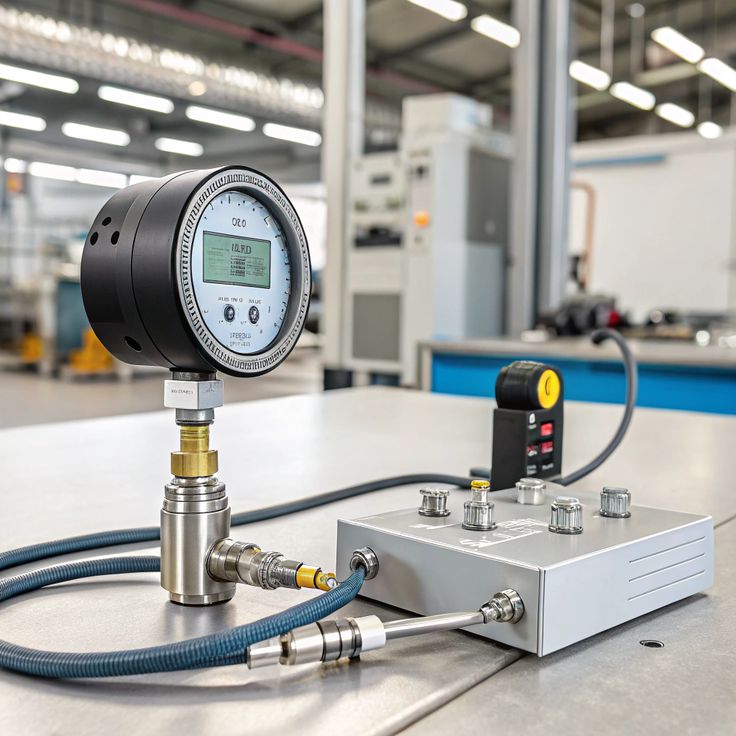
A calibrated test pump gradually increases the pressure to the required test level. Under ASME Section VIII Division 1, this is typically 1.3 times the maximum allowable working pressure (MAWP). Under ASME B31.3, it’s usually 1.5 times the design pressure.
Hold Period
The system holds at test pressure for a specified duration, commonly 10 minutes for vessels and 30 minutes or more for piping systems. The pressure gauge is monitored for any drop indicating a leak.
Visual Inspection
While under pressure, the exterior surfaces are inspected for leaks, weeping, bulging, or any deformation. Under ASME codes, the test pressure is reduced to the MAWP before the visual inspection begins.
Depressurization and Documentation
Pressure is released gradually. The test results, including pressure readings, hold times, ambient temperature, and inspection findings, are documented in a formal test report. This report becomes part of the CRN application package.
Advantages of Hydrostatic Testing
- Superior safety profile. Water is nearly incompressible. If a failure occurs during a hydrostatic test, the energy release is minimal compared to compressed gas. There’s no explosion risk.
- Accurate leak detection. Water leaks are visible almost immediately as drips, weeping, or wet spots on the surface. Even small defects become apparent under test pressure.
- Code default status. ASME Section VIII, ASME B31.3, and CSA B51 all specify hydrostatic testing as the primary test method. Choosing hydrostatic testing simplifies documentation and regulatory acceptance.
- Lower test pressure requirement (for vessels). Under ASME Section VIII, the hydrostatic test pressure factor is 1.3 times MAWP, compared to 1.1 times MAWP for pneumatic tests. However, because pneumatic testing carries greater risk, the lower pneumatic factor doesn’t necessarily make it easier.
- Environmental compliance. Water is non-toxic and, when properly treated, can be disposed of with minimal environmental impact.
- Uniform pressure distribution. Liquid fills every contour and space within the system, providing consistent pressure against all internal surfaces.
Challenges of Hydrostatic Testing
- Structural loading. Water is heavy. A large vessel or elevated piping system may not be designed to support the combined weight of the equipment plus the test water. Structural supports, foundations, and temporary bracing must be evaluated before testing.
- Corrosion risk. If water remains in the system after testing, corrosion can develop. This is especially problematic for carbon steel systems. Proper draining, drying, and corrosion inhibitor treatment are required post-test.
- Water supply and disposal. Large systems require significant volumes of clean water. After testing, the water may need treatment before disposal, depending on local environmental regulations and whether additives were used.
- Temperature sensitivity. Testing in cold weather introduces the risk of freezing, which can damage equipment. Water temperature must remain above the minimum design metal temperature (MDMT) of the material.
- Draining difficulty. Complex piping configurations with low points, dead legs, or intricate geometry can be challenging to drain completely after testing.
What Is Pneumatic Pressure Testing?
Pneumatic pressure testing uses a compressed gas, typically dry nitrogen, air, or helium, as the test medium instead of liquid. The gas is pumped into the equipment, pressurized to the required test level, and held while the system is checked for leaks.
Under ASME and CSA codes, pneumatic testing is not the default method. It’s an alternative that may be used only when hydrostatic testing is impractical or when the equipment design makes liquid testing unsuitable.
When Is Pneumatic Testing Permitted?
Codes allow pneumatic testing in specific circumstances:
- The vessel or piping system cannot support the weight of water (thin-walled vessels, lightweight structures, elevated installations)
- Water or liquid contamination would compromise the process (pharmaceutical, semiconductor, or food-grade systems)
- The internal geometry makes complete filling and draining impossible or impractical
- The equipment will operate in service with gas only, and the owner/user requires a gas test
- The system is designed for vacuum or low-pressure gas service where liquid testing provides no operational relevance
⚠️ Safety Warning
Pneumatic testing stores significant energy in compressed gas. A failure during a pneumatic test can result in a violent, explosive rupture. ASME codes require additional safety measures for pneumatic tests, including remote pressure monitoring, incremental pressurization steps, personnel exclusion zones, and documented risk assessments. Never treat a pneumatic test casually.
How Pneumatic Testing Works
The general process follows these steps:
- Pre-test verification. All welds and joints receive additional NDE (Non-Destructive Examination) before the test because failure during a pneumatic test has severe consequences.
- Incremental pressurization. The system is pressurized in stages, typically to 50% of test pressure first, then in increments of approximately 10% up to the full test pressure. Each stage includes a hold and inspection period.
- Hold at test pressure. The system holds at full test pressure while monitored remotely. Under ASME B31.3, the test pressure for pneumatic tests is 1.1 times the design pressure (lower than the 1.5 factor for hydrostatic tests, reflecting the increased hazard).
- Pressure reduction and leak check. Pressure is reduced to the design pressure, and a leak test is performed. Common methods include soap bubble testing, ultrasonic detection, or helium mass spectrometry for critical applications.
- Depressurization and documentation. Gas is vented slowly and safely. All test data is recorded.
Advantages of Pneumatic Testing
- No weight loading. Gas adds negligible weight, making pneumatic testing suitable for lightweight structures and systems that can’t bear the mass of liquid.
- No moisture contamination. The system stays dry, which is essential for processes that are sensitive to water or humidity.
- Faster pressurization and depressurization. Gas compresses and releases quickly, potentially reducing total test time for simple systems.
- No draining required. After the test, the gas is simply vented. There’s no water to remove, treat, or dispose of.
Challenges of Pneumatic Testing
- Significant safety risk. Compressed gas stores enormous energy. A rupture during a pneumatic test releases this energy in milliseconds, creating blast waves and projectile hazards. Fatalities have occurred during improperly managed pneumatic tests.
- Harder leak detection. Gas leaks are invisible. Detection requires soap solutions, electronic sniffers, or acoustic devices. Small leaks that would be immediately obvious with water may go undetected with gas.
- Stricter code requirements. ASME and CSA codes impose additional requirements for pneumatic testing, including mandatory NDE prior to test, documented safety procedures, and personnel exclusion zones.
- Higher cost for safety measures. The additional NDE, safety equipment, exclusion zones, and specialized monitoring increase the total cost of pneumatic testing despite the lower test pressure factor.
Side-by-Side Comparison: Hydrostatic vs. Pneumatic Testing
The following table summarizes the key differences between hydrostatic and pneumatic pressure testing as they apply to pressure piping systems, pressure vessels, and burst testing applications.
| Factor | Hydrostatic Testing | Pneumatic Testing |
|---|---|---|
| Test Medium | Water or other liquid | Nitrogen, air, helium, or other gas |
| ASME VIII Test Pressure | 1.3 × MAWP | 1.1 × MAWP |
| ASME B31.3 Test Pressure | 1.5 × design pressure | 1.1 × design pressure |
| Safety Risk | Low (liquid has minimal stored energy) | High (compressed gas stores significant energy) |
| Leak Detection | Easy (visible water leaks) | Difficult (requires specialized detection) |
| Code Default? | Yes (primary method) | No (alternative when hydrostatic is impractical) |
| Weight on Equipment | Significant (water is heavy) | Negligible |
| Moisture in System | Yes (requires drying after test) | No |
| Pre-Test NDE Required? | Per code requirements | Additional NDE typically mandatory |
| Personnel Exclusion Zone | Standard safety precautions | Mandatory exclusion zones required |
| Environmental Impact | Water disposal may require treatment | Gas venting (inert gas typically acceptable) |
| Cost Considerations | Water supply, disposal, drying | Additional NDE, safety measures, gas supply |
ASME and CSA Code Requirements for Pressure Testing
Understanding the specific code requirements is critical for passing inspection and achieving CRN registration. Each code addresses pressure testing with detailed procedures, pressure factors, and acceptance criteria.
ASME Section VIII Division 1 (Pressure Vessels)
This code governs the design, fabrication, and testing of pressure vessels. Key testing provisions include:
- Hydrostatic test (UG-99): Standard test pressure is 1.3 times the MAWP at the top of the vessel, adjusted for temperature. The vessel must be held at test pressure, then reduced to MAWP for visual examination.
- Pneumatic test (UG-100): Permitted only when hydrostatic testing is impractical. Test pressure is 1.1 times MAWP. Incremental pressurization is required: pressure is increased to half the test value, then in steps of approximately one-tenth until test pressure is reached.
- Documentation: The Manufacturer’s Data Report (MDR) must include test type, test pressure, hold duration, and inspection results.
ASME B31.3 (Process Piping)
This code covers pressure piping systems used in petroleum refineries, chemical plants, pharmaceutical facilities, and other process industries. Testing provisions include:
- Hydrostatic test: Test pressure is 1.5 times the design pressure. The system must hold for a minimum of 10 minutes and be visually examined for leaks.
- Pneumatic test: Test pressure is 1.1 times the design pressure. A preliminary check at 25 psig is required before proceeding. Pressure is then increased gradually to 50% of test pressure, then in increments of 10% up to the full test value.
- Alternative leak test: In certain cases, a sensitive leak test (e.g., helium mass spectrometry) may substitute for a full pressure test, subject to owner approval and code provisions.
CSA B51 (Canadian Boiler, Pressure Vessel, and Pressure Piping Code)
CSA B51 references ASME codes for design and testing but adds Canadian-specific regulatory requirements. Provincial authorities (ABSA, TSSA, RBQ, and others) enforce CSA B51 and may impose additional conditions on testing and documentation. For boilers and pressure vessels, compliance with both ASME construction codes and CSA B51 is required to obtain a CRN.
💡 Compliance Tip
When applying for a CRN, ensure your pressure test documentation matches the specific code edition referenced in the design registration. Using test procedures from an outdated code edition is a common reason for regulatory rejection. Titan’s code engineering team can verify your documentation meets current requirements before submission.
How to Choose the Right Pressure Test Method
The decision between hydrostatic and pneumatic testing depends on engineering analysis, code requirements, and practical considerations specific to your equipment. Here’s a structured approach:
Start with Hydrostatic Testing
Unless you have a clear, documented reason not to, plan for a hydrostatic test. It’s the code default, it’s safer, and it simplifies your approval process. Regulators and inspectors won’t question a properly executed hydrostatic test.
Evaluate Whether Hydrostatic Testing Is Feasible
Ask these engineering questions:
- Can the vessel or system structurally support the weight of water? Check foundations, supports, and nozzle loads.
- Can the system be completely filled and vented? Complex geometry may trap air pockets, compromising the test.
- Can water be drained completely after testing? Dead legs and low spots may retain water and cause future corrosion.
- Will water contaminate the process? Pharmaceutical, food-grade, and semiconductor systems may require absolute dryness.
- Is testing in cold weather? Water freezing during or after the test can damage equipment.
If Hydrostatic Testing Isn’t Practical, Document Why
Before proceeding with a pneumatic test, you need an engineering justification. This justification should be part of your design documentation and CRN application. Common acceptable reasons include structural weight limitations, contamination sensitivity, and geometric drainage constraints.
Plan the Pneumatic Test with Additional Safety Measures
If pneumatic testing is the selected method, your test plan must address:
- Pre-test NDE scope (typically more extensive than for hydrostatic testing)
- Incremental pressurization sequence with hold points
- Personnel exclusion zones and barrier requirements
- Remote pressure monitoring equipment
- Leak detection method (soap bubble, ultrasonic, helium mass spectrometry)
- Emergency response procedures
Pressure Testing and CRN Registration in Canada
Pressure testing is not a standalone activity. It’s a required component of the Canadian Registration Number (CRN) approval process. Every CRN application for a pressure vessel, piping system, or fitting must include evidence that the equipment was tested in accordance with the applicable construction code.
What Regulators Expect in Your Test Documentation
- Test procedure referencing the specific code and paragraph (e.g., ASME Section VIII UG-99 or UG-100)
- Calibration certificates for pressure gauges and test equipment
- Test pressure calculation showing how the test pressure was determined from the MAWP or design pressure
- Hold time records and pressure readings at defined intervals
- Visual inspection results, including a statement of acceptance or rejection
- NDE reports if required (especially for pneumatic tests)
- Authorized inspector’s signature on the Manufacturer’s Data Report
Missing or incomplete test documentation is one of the most frequent causes of CRN application delays. Provincial regulators in Alberta, Ontario, Quebec, British Columbia, and other jurisdictions review test records carefully. A single discrepancy between the test report and the registered design can result in a request for additional information (RAI), adding weeks to your approval timeline.
💡 Pro Tip
If you’re pursuing CRN registration for equipment that requires burst testing in addition to standard pressure testing, plan both tests early in your project timeline. Burst testing is a destructive test that determines the actual failure pressure of a component, and it generates critical data for your CRN submission. Learn more about Titan’s burst testing services.
When Burst Testing Complements Pressure Testing
Standard hydrostatic and pneumatic tests are proof tests. They confirm that equipment can withstand a pressure above its operating level without failure. Burst testing goes further. It’s a destructive test that increases pressure until the component actually fails, determining the true burst pressure and safety margin.
Burst testing is typically required when:
- The component uses a non-standard material or construction method not fully covered by ASME code rules
- Provincial regulators request validation of the design safety factor
- The manufacturer needs to establish a design pressure for a new product line
- Proof-of-design data is required for CRN registration of fittings, valves, or specialty components
Titan Research Group operates accredited testing facilities equipped for both standard pressure testing and burst testing, providing the complete test data package required for regulatory submissions.
Common Pressure Testing Mistakes That Delay Compliance
Years of experience supporting CRN applications across Canada have revealed consistent patterns in testing errors. Avoiding these mistakes will save time, money, and frustration.
1. Using the Wrong Test Pressure Factor
ASME Section VIII uses 1.3× MAWP for hydrostatic tests. ASME B31.3 uses 1.5× design pressure. Mixing up these factors or applying the wrong code’s factor to your equipment results in a failed inspection.
2. Incomplete Air Venting During Hydrostatic Tests
Trapped air compresses during pressurization, creating inaccurate pressure readings and potential safety hazards. All high points must be vented before beginning the test. Verify that air has been completely displaced before sealing and pressurizing.
3. Skipping Pre-Test NDE for Pneumatic Tests
ASME codes require additional NDE prior to pneumatic testing because the consequences of failure are severe. Skipping this step is a code violation and a serious safety risk.
4. Inadequate Documentation
Test reports that lack pressure gauge calibration dates, exact hold times, or inspector signatures will be rejected by provincial regulators. Complete every field on the test report before submission.
5. Testing Before Design Review
Conducting a pressure test before the design has been reviewed and accepted by the regulatory authority wastes resources. If the design is modified after review, the test may need to be repeated under different parameters.
Need Expert Support for Pressure Testing and CRN Compliance?
Titan Research Group provides end-to-end pressure testing, burst testing, and CRN registration services across all Canadian provinces. Our engineering team ensures your test procedures, documentation, and submissions meet every regulatory requirement.
Explore Our Testing Services →
Industry Applications: Which Method Works Best?
Different industries tend toward different testing methods based on their specific equipment, processes, and regulatory environment. Here’s a practical overview:
Oil and Gas
Hydrostatic testing is the standard for pipeline commissioning, pressure vessel qualification, and downhole equipment. The high pressures, large volumes, and safety-critical nature of oil and gas equipment make hydrostatic testing the clear choice. Water supply logistics and disposal planning are key project considerations.
Pharmaceutical and Bioprocessing
Systems built to ASME BPE standards often require pneumatic testing to avoid water contamination in ultra-clean systems. Electropolished surfaces and sanitary connections can be compromised by water exposure. Pneumatic tests with dry nitrogen are common, followed by helium leak detection for critical containment systems.
Power Generation and Boilers
Boilers and pressure vessels in power generation are almost exclusively hydrostatic tested per ASME Section I and Section VIII. The structural mass of these systems easily supports water weight, and the safety benefits of hydrostatic testing are essential for equipment operating at high temperatures and pressures.
Food and Beverage
Similar to pharmaceutical applications, food-grade systems may require pneumatic testing to maintain sanitary conditions. However, many food and beverage systems can be hydrostatic tested with potable water followed by chemical sanitization, which is often more economical.
Water and Wastewater Treatment
Hydrostatic testing is the natural fit since these systems operate with water in service. Large-diameter piping and vessels are filled and tested as part of the commissioning sequence.
Frequently Asked Questions
What is the difference between hydrostatic and pneumatic pressure testing?
Hydrostatic testing uses water or liquid to pressurize equipment, while pneumatic testing uses compressed gas (nitrogen, air, or helium). Hydrostatic testing is safer because liquids store minimal energy compared to compressed gas. It’s the default method under ASME and CSA codes. Pneumatic testing is an alternative permitted only when hydrostatic testing is impractical.
Do I need pressure testing for CRN registration in Canada?
Yes. Pressure testing is a mandatory requirement for CRN registration. Provincial regulators require documented proof that pressure vessels, piping systems, and fittings have been tested in accordance with the applicable ASME or CSA construction code. Test records must be included in the CRN application package submitted to regulatory authorities such as ABSA, TSSA, or RBQ.
What test pressure is required under ASME Section VIII?
Under ASME Section VIII Division 1, the standard hydrostatic test pressure is 1.3 times the maximum allowable working pressure (MAWP), corrected for temperature. For pneumatic tests, the required pressure is 1.1 times the MAWP. These factors ensure the equipment demonstrates structural integrity above its rated operating conditions.
When is burst testing required instead of standard pressure testing?
Burst testing is a destructive test used to determine the actual failure pressure of a component. It’s required when a component uses non-standard materials or construction, when regulators need proof of safety factor validation, or when manufacturers need to establish a design pressure rating for new products. Burst testing generates data that complements the proof testing required for CRN approval.
What codes apply to pressure testing of piping systems in Canada?
The primary codes are ASME B31.3 (Process Piping) for industrial piping systems, ASME B31.1 (Power Piping) for power plant piping, and CSA B51 (Boiler, Pressure Vessel, and Pressure Piping Code) for Canadian regulatory compliance. Provincial authorities enforce these codes and may add jurisdiction-specific requirements. Compliance with the correct code edition is essential for CRN registration.