How Burst Testing Improves Product Quality and Compliance
October 27, 2025
Why CRN Registration Matters: Key Benefits for Pressure Equipment Manufacturers
November 20, 2025
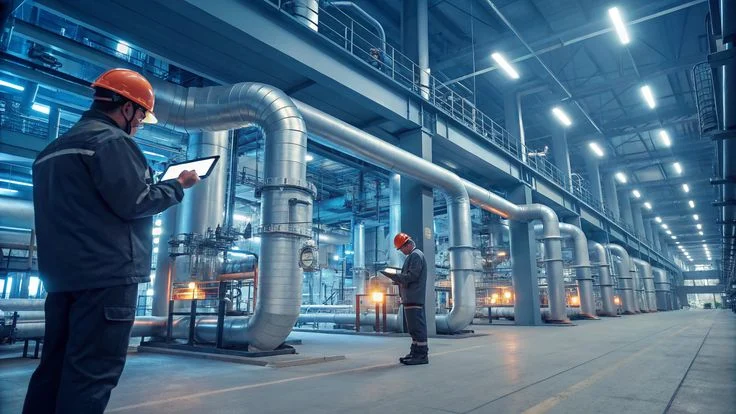
Pressure piping systems are integral to industries such as oil and gas, petrochemicals, energy, and manufacturing. These systems transport liquids and gases under high pressures, often operating under demanding conditions. Verifying their integrity is not optional; it is essential for safety, regulatory compliance, and operational reliability. Pressure Piping Testing is the standard method for confirming that these systems can operate safely and reliably under real-world conditions.
Understanding Pressure Piping Testing
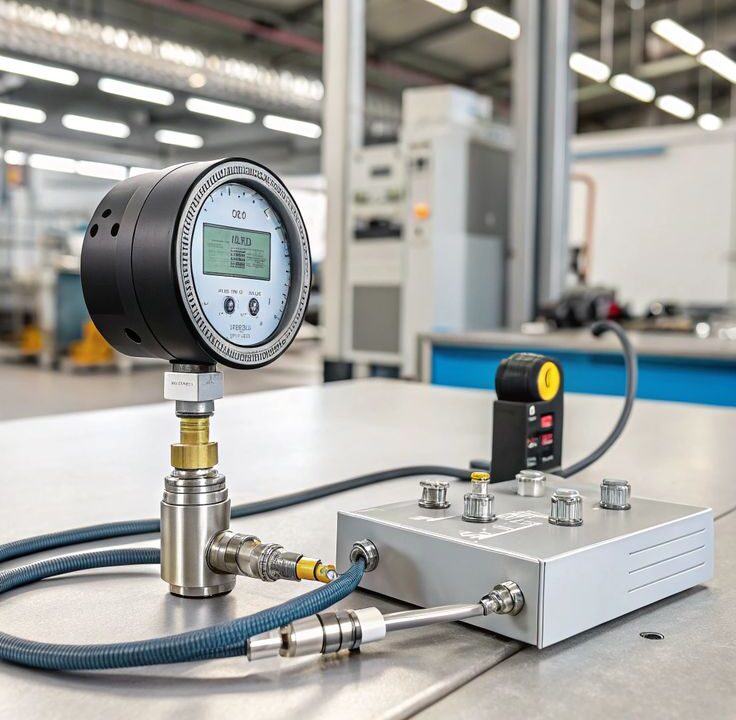
Pressure piping testing involves subjecting piping systems to controlled pressure loads to confirm structural integrity, detect leaks, and validate design performance. Common testing methods include hydrostatic testing, pneumatic testing, burst testing, leak detection, and impulse cycle testing.
Each method is chosen based on system design, materials, and the intended service conditions. Testing can be conducted using water, inert gas, or other approved fluids, and must comply with applicable codes such as ASME B31.3 and CSA B51.
Here, at Titan Research Group, pressure piping testing is performed in ISO 17025-accredited and CSA-approved laboratories to guarantee accurate and reliable results. Our experienced engineers and technicians apply rigorous testing protocols and document every step for regulatory compliance and traceability.
1. Safety First; Preventing Catastrophic Failures
High-pressure systems present significant risks if left untested or inadequately maintained. Failures in pipelines, pressure vessels, or storage tanks can lead to leaks, ruptures, and catastrophic accidents.
Pressure piping testing allows engineers to identify weak points and validate that all joints, welds, and components can withstand operational pressures. By simulating real-world stress conditions, these tests confirm the safety of personnel, facilities, and the surrounding environment.
2. Regulatory Compliance and Code Conformance
Regulatory authorities in Canada mandate that pressure piping systems meet stringent codes and standards. ASME B31.3, CSA B51, and various provincial requirements define the procedures and acceptance criteria for pressure piping testing.
Conducting thorough tests demonstrates compliance, allowing systems to be legally commissioned and operated. Titan Research Group helps clients handle these requirements, providing witnessed testing, detailed reports, and code-compliant documentation to satisfy regulatory authorities and insurers.
3. Operational Reliability and Long-Term Performance
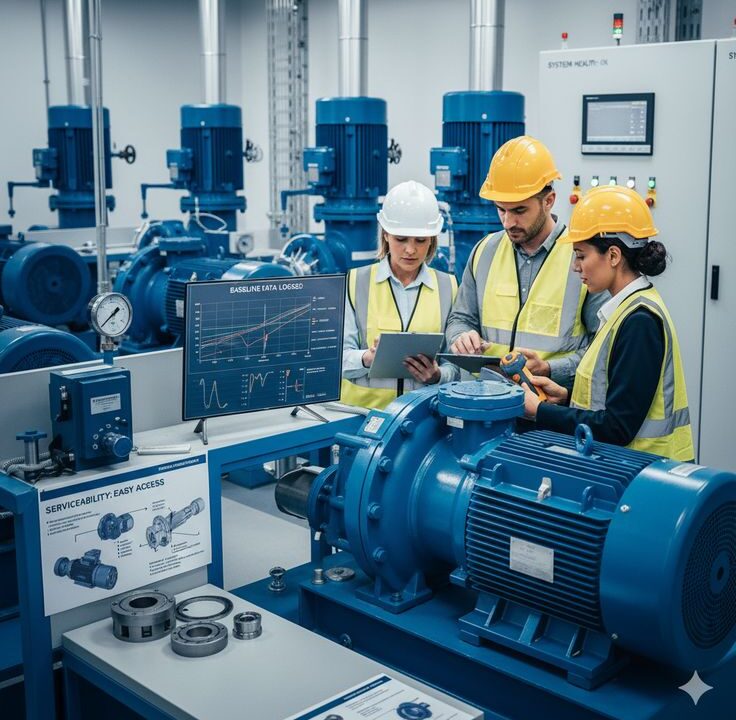
Besides safety and compliance, pressure piping testing protects operational reliability. Impulse cycle testing, fatigue testing, and other evaluations reveal potential vulnerabilities that could compromise long-term performance.
Proactive testing reduces unplanned downtime, prevents expensive repairs, and extends the service life of pressure systems. With our testing experience, clients gain the confidence that their systems will perform safely and consistently under all operating conditions.
4. Liability Protection and Risk Management
Undetected weaknesses in pressure piping systems expose operators to financial, environmental, and legal risks. Documented pressure piping testing provides verifiable proof that systems were inspected and validated in accordance with regulatory standards. This record is invaluable for liability mitigation, insurance claims, and defending against potential litigation.
When Pressure Piping Testing Should Occur
Pressure piping testing should be performed at key stages of a system’s lifecycle:
- Prior to commissioning new systems or installations
- After significant repairs, modifications, or upgrades
- During scheduled maintenance intervals or re-certification
- Following long-term shutdowns to verify integrity before restart
Planning these tests with certified professionals confirms that all regulatory and operational requirements are met.
Protect Your Systems with Professional Pressure Piping Testing Services
Pressure piping testing is a critical investment in safety, compliance, and operational reliability. For companies working with high-pressure systems, proper testing reduces risk, protects personnel and the environment, and makes sure that systems perform as designed.
Titan Research Group provides the knowledge, equipment, and accreditation necessary to carry out pressure piping testing with accuracy and peace of mind. Contact us today to learn how our pressure piping testing services can help you meet regulatory requirements and protect your operations.