
CRN for Industries: What Every Business Needs to Know in 2025
October 23, 2025
Why Pressure Piping Testing Is Critical: Safety, Compliance and Liability Explained
November 18, 2025
In industries where products are built to withstand pressure, failure is not an option. Even a minor flaw can lead to serious safety risks.
That is why manufacturers rely on burst testing as a critical quality assurance tool. By determining the exact point at which a component fails under pressure, burst testing provides measurable proof of the product’s strength, ensuring that it meets engineering and regulatory compliance requirements.
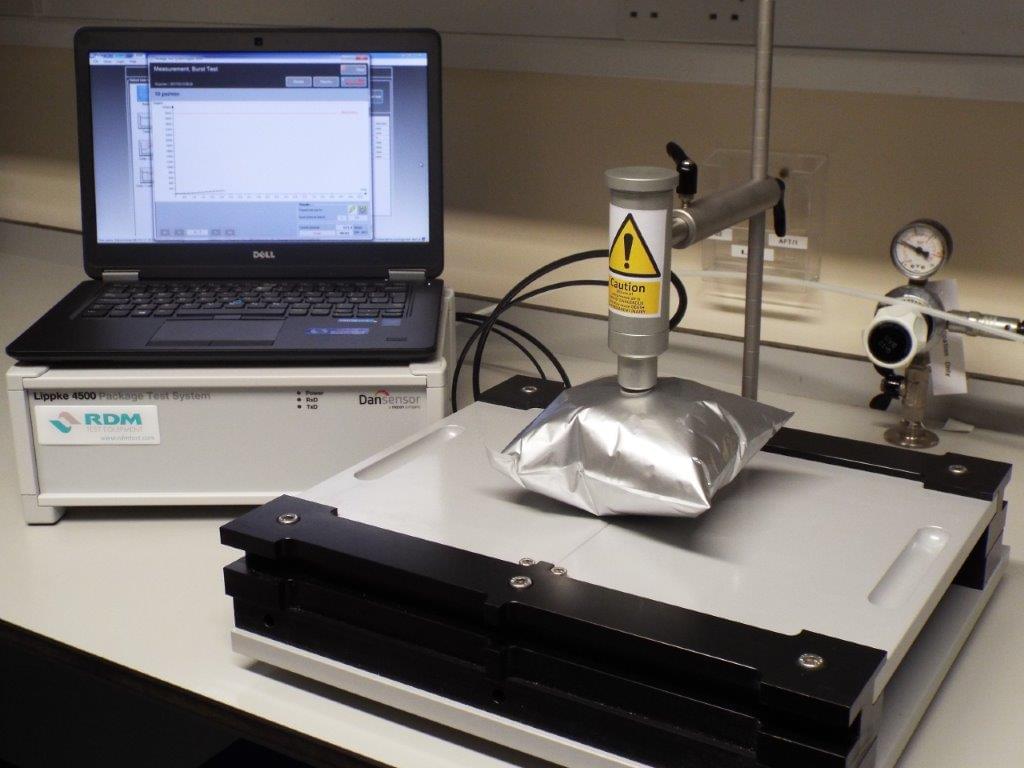
What is Burst Testing and Why Does it Matter?
Burst pressure testing is a controlled destructive test used to determine the maximum pressure a product can withstand before it ruptures or fails. Typically performed on components like unlisted pressure-retaining fittings, pressure vessels, boilers, or other pressure-retaining equipment, it simulates extreme operating conditions to expose weaknesses that might not appear under normal use.
Unlike theoretical stress calculations, burst pressure testing provides real-world validation of a product’s strength and reliability. By pushing the component to its breaking point, often using hydrostatic or pneumatic pressure, manufacturers gain accurate data on material performance and overall design. This information is essential for meeting regulatory codes such as ASME and CSA that govern pressure-containing equipment in Canada.
How Burst Pressure Testing Improves Product Quality
- Reveals hidden weaknesses: Burst testing uncovers issues such as weak welds, poor material bonds, or manufacturing inconsistencies that may go unnoticed in routine inspections. Detecting these flaws early allows facilities to make amends before the product reaches the end users.
- Validates design integrity: It confirms that design calculations and material selections are aligned with the actual performance of the product. This helps engineers refine their future designs to ensure optimal functionality and durability.
- Improves manufacturing consistency: Regular burst pressure testing verifies that each production batch meets the same quality standards, maintaining consistency in design and avoiding unnecessary variations in the product over time.
- Builds trust in product performance: When products are proven to withstand pressures well beyond their intended limits, both manufacturers and customers can trust their long-term safety.
How Burst Pressure Testing Supports Regulatory Compliance
- Supports CRN approval: In Canada, obtaining a Canadian Registration Number (CRN) often requires burst test data to verify that equipment meets safety margins defined by ASME and CSA codes.
- Provides documented proof for regulators: Burst testing results, such as burst pressure, failure mode, and test conditions, serve as verifiable evidence that a product complies with required design and safety factors.
- Reduces approval delays: Accurate and traceable testing data simplifies the review process for regulators, helping manufacturers avoid costly redesigns or project delays.
- Ensures accountability and transparency: Working with an accredited testing partner like Titan Research Group ensures the process is carried out safely, witnessed when required, and documented according to industry standards.
The Testing Process at Titan Research Group
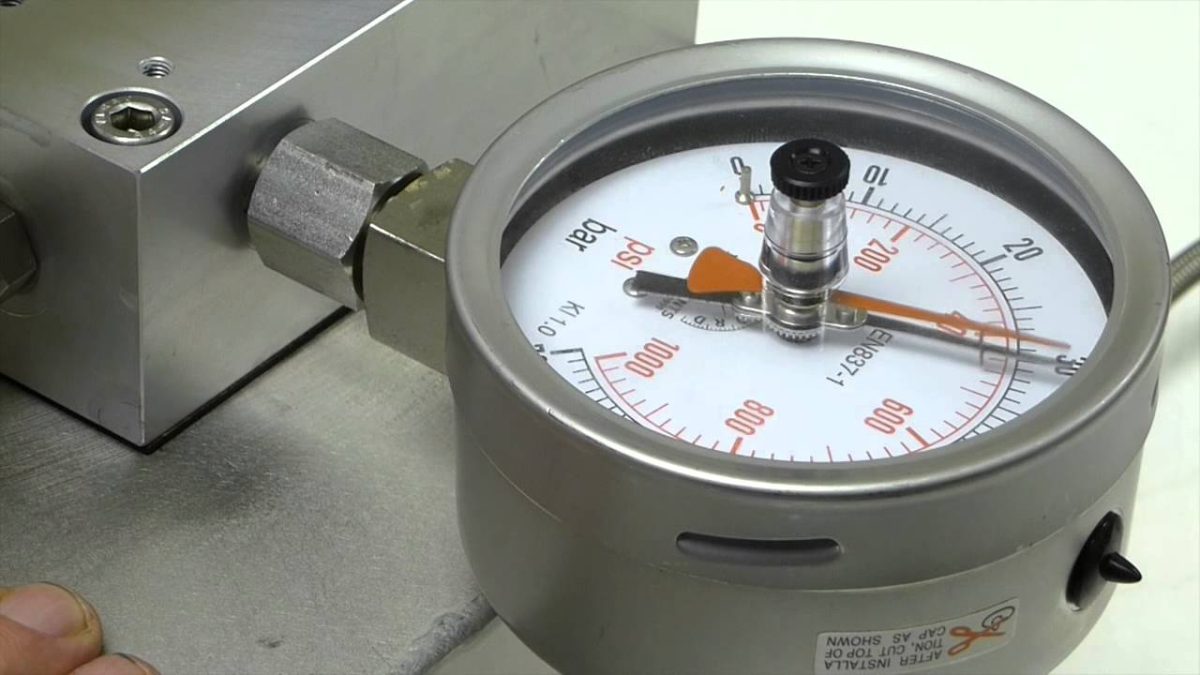
At Titan Research Group, every burst test is performed with safety and compliance in mind. Our structured process ensures that each result is both technically accurate and fully traceable for regulatory use.
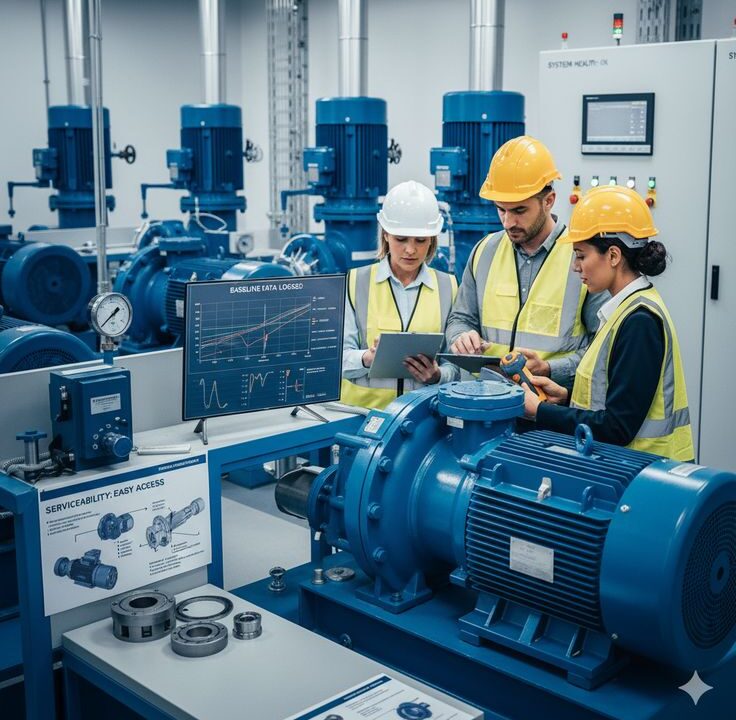
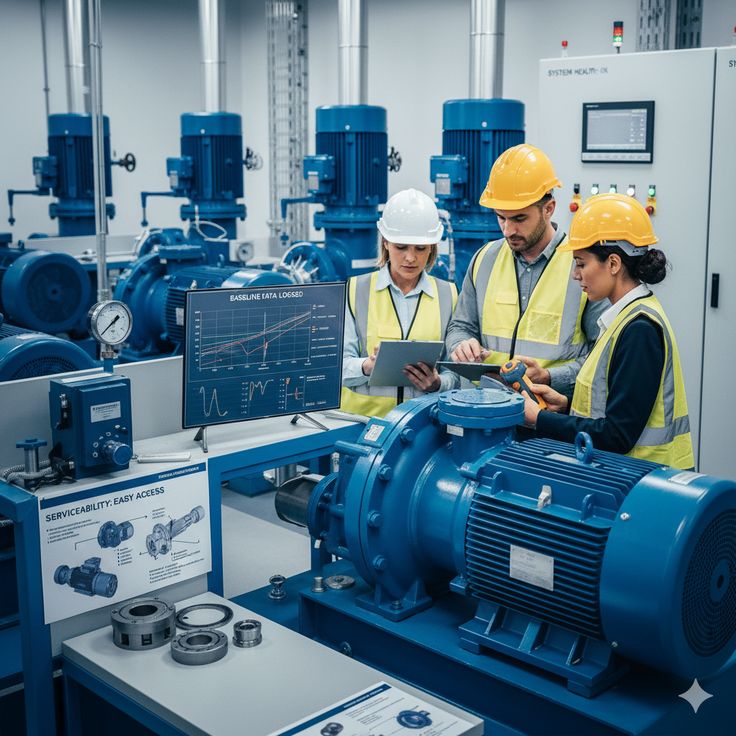
- Preparation and review: Before testing begins, our team reviews product drawings, material specifications, and design requirements. This step ensures that the setup accurately reflects the conditions of the real world and complies with relevant codes.
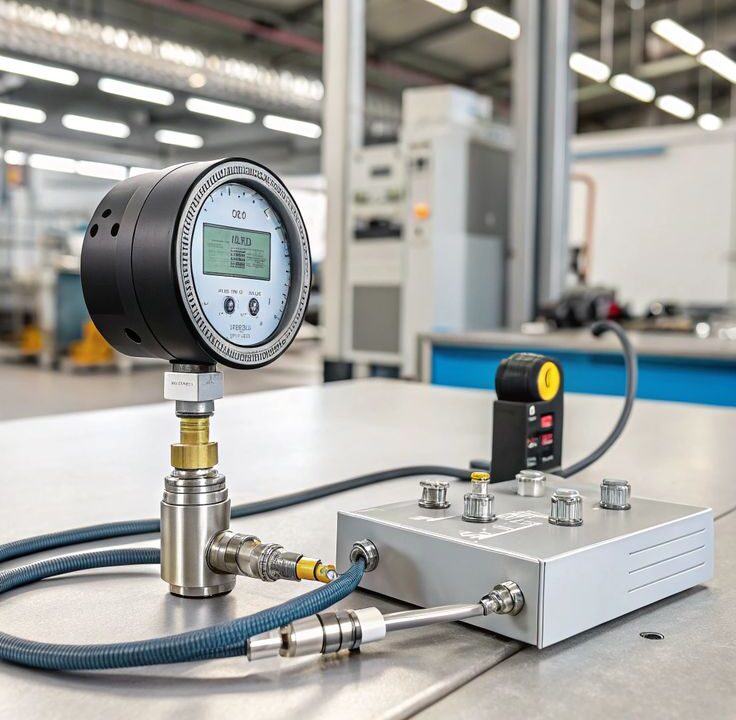
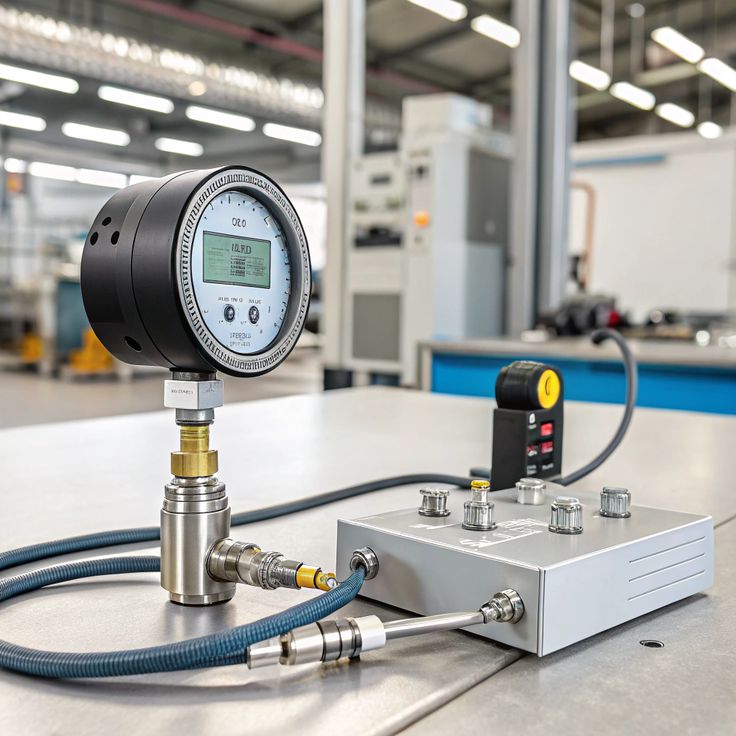
- Test setup and execution: Using specialized hydrostatic or pneumatic equipment, pressure is gradually increased until the product reaches its burst point. Throughout the process, we monitor performance data in real time to capture every key parameter.
- Data analysis and evaluation: Once the test is complete, we carefully analyze the burst pressure, failure mode, and test behaviour. The data is compared against design expectations and applicable standards, such as ASME or CSA, to confirm its compliance requirements.
- Comprehensive reporting: We deliver detailed reports that document every step of the test. This documentation can be used in internal quality reviews or third-party regulatory audits.
As a reliable Burst Testing company, Titan Research Group can help your organization meet the burst pressure testing requirements for CRN submissions, ASME code validation, and overall quality validation. Contact our team today to schedule testing and gain clear insights on your product’s performance and safety.