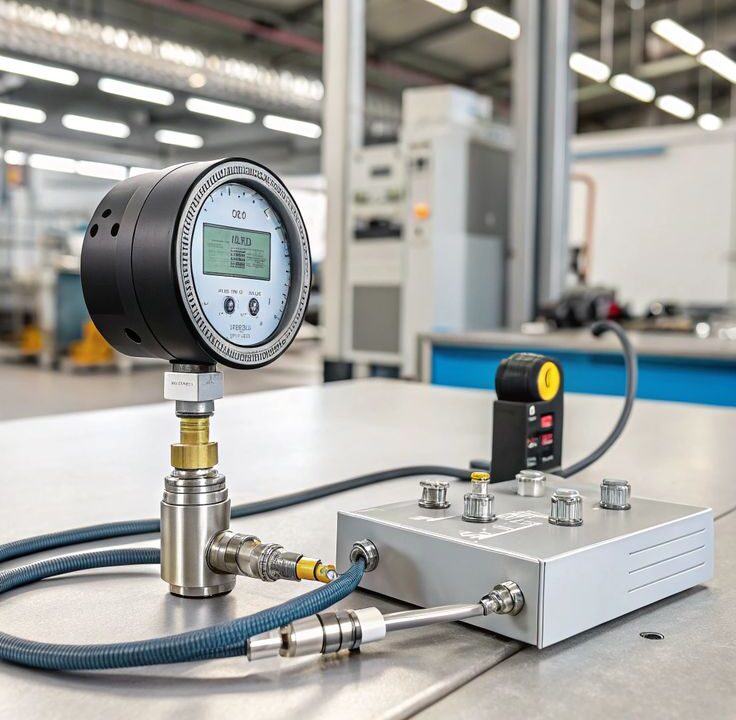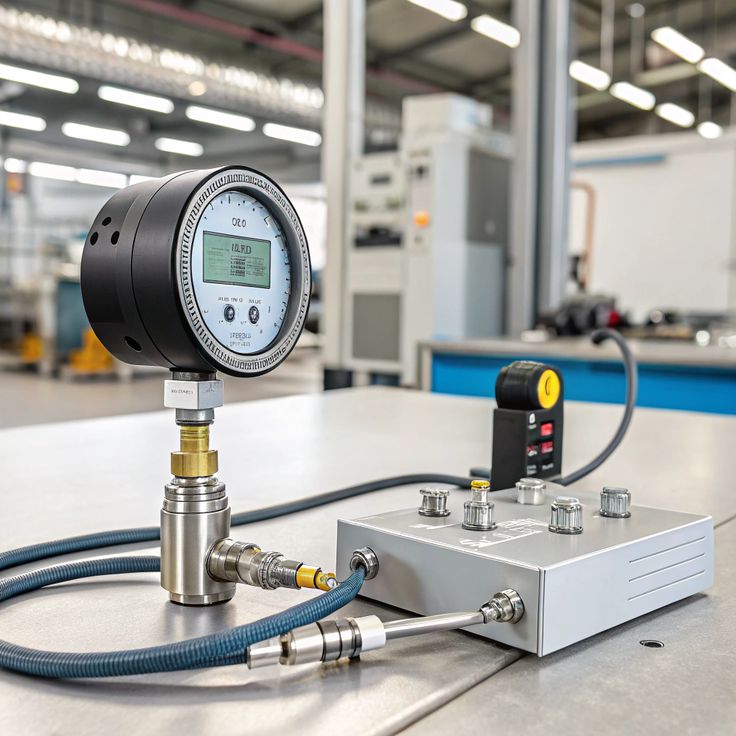

ASME Section VII: Vessel Pressure Testing Compliance Guide
February 11, 2026
ASME Section VIII Pressure Vessels: Supplier Guide
February 11, 2026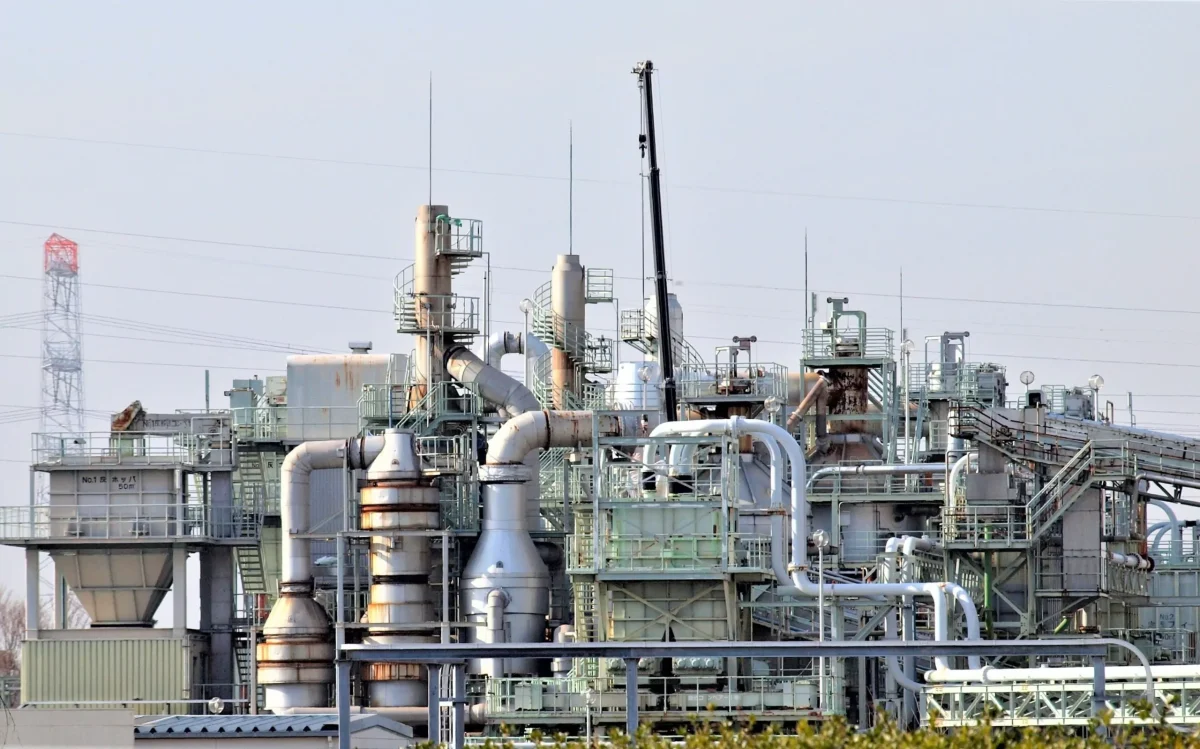
On This Page
UHA-51 Impact Testing for Cryogenic Vessels: Beat Compliance Delays and Protect Your Schedule
Your helium vessel is on the shop floor when MDMT (minimum design metal temperature) drops past −320°F. The build pauses. Impact testing will decide whether you pour concrete next week or slip two months. We’ve seen Authorized Inspectors (AI) flag weld metal—not the base metal—and stall $250,000 of inventory. You’re not alone. The fastest path lives in UHA-51(a)(4)(a) (an ASME exception that targets weld metal toughness for austenitic stainless): set the right ferrite plan, document it, and move. Want a clean, reviewer-proof approval? Let’s align on what UHA-51 covers first.
🔎Why trust this guide
We work to current ASME (American Society of Mechanical Engineers) Section VIII, Division 1 and B31.3
(process piping) editions; we review UHA‑51 packages weekly for cryogenic vessels.
UHA-51, MDMT, and why cryogenic welds drive approvals
Since we review UHA-51 packages weekly, here’s the plain-English map. Part UHA sits inside ASME (American Society of Mechanical Engineers) Section VIII, Division 1 and sets special rules for high‑alloy materials; UHA‑51 covers austenitic stainless steels (304L/316L and similar) and their welds. MDMT (minimum design metal temperature) is the coldest temperature your vessel must withstand; at cryogenic levels (around −320°F), approvals pivot from base metal to weld metal and the HAZ (heat‑affected zone). Impact testing uses the UG‑84 framework (Charpy V‑notch energy and sometimes lateral expansion) with UHA‑specific allowances. That’s the playing field.
UHA‑51(a)(4)(a) can shrink the test burden by focusing on weld‑metal toughness at MDMT when ferrite and process controls are proven. Recent editions clarified acceptance and broadened compatible filler choices—for example, qualifying 308L deposit on 316L plate under documented dilution and ferrite control. Always confirm your edition and jurisdiction before you book the lab.
If you’re heading for provincial approval, align this plan with your Canadian Registration Number filing: cite the edition, list MDMT, tie WPS (Welding Procedure Specification) and PQR (Procedure Qualification Record) references, and show acceptance criteria. That alignment speeds reviews.
What breaks when MDMT is colder than liquid nitrogen?
By default, Charpy impact tests must prove toughness at or below MDMT. When MDMT dives below −320°F into helium territory (≈ −452°F), plans fall apart: many labs only certify to −320°F ±5°F, specimen handling gets risky, and fixtures frost over. A single orientation mistake triggers a full retest. We’ve seen quotes swing from five to twenty business days, with expedite fees of $5k–$10k, and production idled while data waits. That’s real schedule pain.
Don’t mix rulebooks. Section VIII (pressure vessels) might allow a UHA‑51 exception for austenitic welds while ASME B31.3 (process piping) does not mirror that path for adjacent lines. The result is nozzle‑to‑piping mismatches: vessel approved, piping flagged, and tie‑ins delayed. Coordinate early to avoid rework.
Here are the traps we see derail cryogenic impact submittals and audits.
- Trap 1: Test temperature warmer than MDMT or not verified; data rejected.
- Trap 2: Missing HAZ specimens or wrong notch orientation at the fusion line.
- Trap 3: Uncontrolled weld‑metal ferrite number yields brittle, low‑energy results at cryo.
- Trap 4: Dilution from 304/316 base metals not accounted in WPS shifts ferrite.
- Trap 5: Lab capacity limits push Charpy slots 2–4 weeks mid‑fabrication.
- Trap 6: Assuming vessel exceptions apply to B31.3 piping without verification.
Why conventional cryogenic test plans collapse at helium temperatures
Below −320°F, lab capacity thins fast. Only a handful can soak specimens to setpoints that cold, and TAT (turnaround time) swings wildly—five days this week, three weeks next. Paperwork errors cascade: a missing soak log, an uncalibrated thermometer, or a mis‑labeled notch location forces a full retest. Every retest adds machining, shipping, and scheduling churn. Costs spike with expedite premiums, overtime, and idle bays on the shop floor. Multiply that by a second PQR (Procedure Qualification Record) and you’re suddenly a month behind.
For early prototypes, fully destructive qualification can be impractical. Use targeted proof: a pre‑production weld pad at max heat input for Charpys at −320°F, plus process replication on the toughest joint. Where appropriate, full‑scale proof can validate margins—think controlled burst testing alongside NDE (nondestructive examination) and pressure tests. You get credible evidence without sacrificing the only shell.
There’s a cleaner, code‑compliant alternative most teams overlook: the UHA‑51(a)(4)(a) route. Meet specific weld and ferrite conditions, target the true risk—weld metal—and you can qualify faster at MDMT without the helium quagmire. Let’s walk that path next.
Your three qualification options, side‑by‑side
We just pointed to the cleaner UHA‑51(a)(4)(a) route; now see how it stacks up. This table shows approach, test temperature, use case, pros, and cons so you can choose fast—often 10–14 days vs 3–5 weeks.
| Approach | Test temperature | Typical use-case | Pros | Cons |
|---|---|---|---|---|
| Direct testing at actual MDMT below −320°F | At or below specified MDMT (minimum design metal temperature) | Ultra‑low MDMT designs needing direct cryogenic evidence | Highest fidelity; mirrors service; strongest reviewer acceptance | Scarce labs; long lead times; high cost, retest risk |
| Use UHA‑51(a)(4)(a) exception with weld focus | −320°F (77 K) Charpy test of weld metal | Austenitic stainless vessels meeting filler/process/ferrite controls | Practical, accessible labs; clear code path; strong schedule win | Conditions must be tightly controlled; documentation must be precise |
| Leverage other code exemptions/tables where permitted | As specified by code tables and notes | Specific materials or thickness ranges that qualify by rule | Simplifies qualification; minimal testing; low cost | Limited applicability; edition/jurisdiction dependent; verify early |
Cryogenic approval via UHA‑51(a)(4)(a), step by step
Those other exemptions are limited and jurisdiction‑dependent—so how do you move fast with confidence? We rely on UHA‑51(a)(4)(a). When MDMT (minimum design metal temperature) is colder than −320°F, this clause can let you qualify at −320°F using austenitic fillers with GTAW (gas tungsten arc welding) or GMAW (gas metal arc welding), provided ferrite stays within defined bounds. You weld a PQR (procedure qualification record), then Charpy test weld metal and the fusion line, plus base metal/HAZ (heat‑affected zone) as required. Lock heat input and dilution to mirror production. Result: accessible labs, repeatable setups, and faster approvals without helium‑temperature fixtures.
Here’s the checklist we use to run the exception cleanly and avoid retests.
- Step 1: Select filler 316L or 308L per code; match chemistry to base metal and service medium.
- Step 2: Choose process: GTAW or GMAW; lock amperage, voltage, travel speed, interpass, and bead sequence to control ferrite and dilution.
- Step 3: Set ferrite controls: for 316L keep ferrite number (FN) at/under code limit; for 308L within range; verify with a calibrated magnetic gauge.
- Step 4: Prepare the PQR: weld at production‑representative maximum heat input; extract Charpy specimens from base metal, weld metal, and fusion‑line HAZ.
- Step 5: Test at −320°F (77 K): confirm lab capability and soak logs; specify notch location and orientation per the code.
- Step 6: Set acceptance: use current edition energy/temperature requirements; record lateral expansion if applicable, and flag any retests on the report.
- Step 7: Document rigorously: record heat/lot numbers, ferrite readings, WPS (welding procedure specification) variables, lab accreditation, and traceability from materials to results.
- Step 8: Train the team: welders, inspectors, engineers; add CRN training to prime Canadian submissions and align expectations.
Before you run, verify the latest ASME Section VIII edition, errata, and any provincial interpretations for CRN (Canadian Registration Number) submissions. Wording, acceptance, and ferrite ranges change across editions. Next up: ferrite control.
Ferrite balance trades hot-cracking resistance against low-temperature toughness
You just checked your code edition and ferrite limits—now, what does that mean in the weld? Austenitic stainless weld metal is mostly austenite (tough, nonmagnetic) with tiny ferrite stringers (delta ferrite) that prevent hot cracking but can hurt low-temperature toughness if excessive. Chromium (Cr), nickel (Ni), and molybdenum (Mo) shift that balance, and dilution (mixing) from 304/316 base metals changes deposit chemistry. Ferrite number (FN, a magnetic gauge estimate of ferrite content) is the practical yardstick. Example: a 308L deposit on 304 can swing from FN 3 to FN 8 with heat input and pass sequence changes. Control composition and cooling, and you keep toughness at −320°F while avoiding cracks.
| Filler/joint scenario | Composition hallmark | Ferrite tendency | Cryogenic toughness note | Cost/availability note |
|---|---|---|---|---|
| 316L filler on 316/304 base joints | Molybdenum-bearing, higher nickel content | Lower ferrite when heat input is controlled | Consistently tough when ferrite stays limited | Generally higher cost; widely available |
| 308L filler on 304 base joints | Higher chromium, lower nickel than 316 | Tends higher ferrite; keep within allowed band | Acceptable toughness within the code ferrite band | Often lower cost; broad availability |
| Mixed dilution joints (304 transitioning to 316) | Composition shifts across passes and layers | Ferrite varies from pass to pass | Control heat input; sample multiple weld locations | Expect more quality control and verification effort |
Measure ferrite number (FN) on a weld-pad mock-up before production and record calibration. Then lock welder technique and heat input—amps, volts, travel speed, interpass—to reduce variability.
Turn ferrite control into a 10‑step cryogenic qualification plan
You just locked ferrite and heat input on the mock‑up. Now convert that control into approvals with a step‑by‑step plan. Follow these ten steps to move from design to data, keep traceability tight, and avoid retests. On average, this saves 1–2 weeks and a round of resubmittals. We’ll show it on a real project next.
Step 1: Align MDMT (minimum design metal temperature) and materials; confirm UHA‑51(a)(4)(a) applicability for austenitic welds; record thickness and PWHT (postweld heat treat) status.
Step 2: Pre‑qualify a lab for −320°F (77 K); agree on specimen size, notch locations (weld, fusion line), orientation, and soak/time logs.
Step 3: Procure filler by controlled lot; capture MTRs (mill test reports), chemistry, and ferrite targets; quarantine lots for PQR and production.
Step 4: Draft WPS (welding procedure specification) with GTAW (gas tungsten) or GMAW (gas metal) parameters tied to ferrite: travel speed and heat‑input limits.
Step 5: Weld PQR (procedure qualification record) coupons at max heat input; log amperage, voltage, travel speed, interpass, bead sequence, and joint configuration.
Step 6: Extract base, weld, and HAZ (heat‑affected zone) Charpy specimens; validate notch location and orientation against drawings and code.
Step 7: Run impact tests at −320°F (77 K); verify soak logs and machine calibration; apply current edition acceptance criteria on each set.
Step 8: Evaluate results; if marginal, adjust ferrite via heat input, pass sequence, shielding gas, or filler change; rerun targeted specimens.
Step 9: Lock production WPS; brief welders and inspectors; issue ITP (inspection test plan) with hold points and in‑process ferrite checks.
Step 10: Compile a clean package: WPS/PQR, impact reports, ferrite logs, MTRs, lab accreditation, and approvals; include raw data and cross‑references in data book.
How We Saved Weeks on a Cryogenic Vessel Approval
We took that clean package and ran it on an Alberta cryostat feeding an LNG (liquefied natural gas) test skid. The vessel was 304L austenitic stainless, MDMT (minimum design metal temperature) below −320°F with no postweld heat treatment. The first plan demanded full helium-temperature impact evidence, but labs capped at −320°F with 2–4 week queues and steep expedite fees. One mis-notched specimen would have reset the clock. You know the fear: idle bays, slipping milestones, and reviewers circling the weld metal.
What did we change? We switched to a UHA‑51(a)(4)(a) strategy: GTAW/GMAW (gas tungsten/gas metal) WPS (welding procedure specification) and PQR (procedure qualification record) built around 316L/308L fillers, heat‑input limits, and a tight ferrite number (FN, magnetic estimate of ferrite content) band verified with a calibrated gauge. We planned Charpy V‑notch impact at −320°F (77 K), specified notch locations, and kept a 48‑hour documentation cadence. For the provincial filing, we aligned with CRN certification Alberta expectations on acceptance criteria and traceability.
Result: 10–14 days faster, 25–40% lower lab spend, zero resubmittals. The Authorized Inspector (AI) closed with no comments; the data book matched heat numbers, ferrite readings, and impacts one‑to‑one. Lesson: control ferrite, test at −320°F, document relentlessly. Next, mirror this strategy across B31.3 piping tie‑ins.
Vessel exemptions don’t automatically apply to B31.3 piping
You just mirrored this strategy across B31.3 tie-ins—now draw the line between code books. Section VIII, Division 1 (ASME, American Society of Mechanical Engineers) governs the vessel, while ASME B31.3 governs the process piping. UHA‑51(a)(4)(a) (a Section VIII weld‑metal exception) often won’t translate to piping welds. B31.3 uses its own impact‑testing rules in 323 (minimum design metal temperature, MDMT), with different exemptions and thickness limits. Align nozzle MDMTs and materials, or you’ll pass the vessel and fail the spool.
Run two controlled sets: vessel WPS/PQR (welding procedure/procedure record) and piping WPS/PQR per B31.3; don’t mix ranges. Build one ITP (inspection and test plan) that aligns NDE (nondestructive examination), hydrostatic and leak tests across the boundary, with shared hold points at each nozzle. Pre‑index the data book so heat numbers, ferrite logs, and Charpy impact reports tie to both sides. Schedule the system hydro once both packages are signed.
Owning the piping scope too? Our playbook on pressure piping testing shows how to sequence NDE (nondestructive examination), hydrostatic, and helium leak checks with the vessel, so you avoid duplicate exams and get one clean sign‑off.
Sequence NDE and hydro for one clean sign‑off
So how do you actually get that one clean sign‑off we promised? Run final weld NDE (nondestructive examination) first: visual, PT (liquid penetrant), then RT/UT (radiography/ultrasonic) as specified. Repair, re‑examine repairs, and only then hydrostatic test with controlled fill, venting high points, slow pressurization, and strict cleanliness for cryo service. Finish with leak/functional checks and compile signed reports. On an LN2 vessel last quarter, this order cut two days and avoided a retest.
Want the details on pressure, duration, and acceptance? Our guide to ASME hydrostatic pressure testing shows how pressure verification complements impact qualification: you prove weld‑metal toughness at −320°F with Charpys, then verify the completed system holds code pressure safely.
Set three shared hold points: after NDE acceptance, before hydro fill/pressurize, and after hydro de‑pressurization/dry‑out. Require impact report numbers on the hydro permit, and use one weld map index so NDE, impact, and hydro trace to the same WPS/PQR and heat numbers.
Documentation reviewers expect for fast CRN approvals
You tied NDE, impact, and hydro to one weld map. Now package it cleanly. Use this reviewer-proof CRN checklist to avoid resubmittals and speed approvals.
- Item 1: Material Test Reports (MTRs) for base metals and filler lots, with chemistry and heat/lot numbers.
- Item 2: WPS/PQR (procedure and qualification) showing essential variables, heat input, positions, and ferrite controls.
- Item 3: Charpy V‑notch reports at −320°F (77 K) for base metal, weld metal, and HAZ.
- Item 4: Ferrite number (FN) measurements, instrument model and calibration blocks, and sampling locations across the weld pad.
- Item 5: NDE reports—RT/UT/PT/MT (radiography/ultrasonic/penetrant/magnetic)—aligned to weld maps and joint IDs.
- Item 6: Hydrostatic test certificate with calibrated gauge data, pressure and duration logs, and acceptance criteria.
- Item 7: Heat/lot traceability matrix linking parts, welds, and reports to MTRs and WPS/PQR.
- Item 8: ITPs (inspection and test plans), defined hold points, and AI/client sign‑offs with dates.
- Item 9: Final data book index, revision history, and a cover letter summarizing UHA‑51(a)(4)(a) strategy and results.
Need a provincial roadmap? Our guide to boilers and pressure vessels CRN registration shows how to package this set for reviewers. Next, we’ll cite the exact standards you should confirm before testing.
Standards to verify before you test
As promised, here are the exact standards to check before you book the lab. We align to ASME (American Society of Mechanical Engineers) BPVC (Boiler and Pressure Vessel Code) Section VIII, Division 1 and ASME B31.3 (process piping). Editions evolve: clauses and acceptance wording shifted between 2019 and 2021, and a client lost a week fixing citations. Confirm your edition and provincial interpretations first, then lock your MDMT (minimum design metal temperature) plan. Avoid rework.
- Source 1: ASME BPVC Section VIII, Division 1 — Part UHA and UG‑84 for impact testing framework and austenitic provisions.
- Source 2: ASME B31.3 (and B31.1 if applicable) for process piping impact rules, MDMT, and exemptions/limits.
- Source 3: ASME Section II (A and C) for base/filler specs, plus AWS A4.2 ferrite measurement practice and calibration.
Reviewer‑proof cryo plan that protects your schedule
So what do you do with that standards list? Book a 20‑minute consult and we’ll pressure‑test your UHA‑51 cryogenic impact plan, dial in weld/ferrite controls, and tighten your documentation so reviewers say yes. We’ll review MDMT (minimum design metal temperature), WPS (welding procedure specification), PQR (procedure qualification record), Charpy scope, and ferrite targets—then give you a checklist you can run tomorrow. Typical outcome: 1–2 weeks faster and fewer retests. Need CRN (Canadian Registration Number) support? Get fast, expert CRN help Canada. We support teams nationwide—Alberta to Atlantic, BC to the North. Bring your drawings and lab quotes; we’ll bring the plan and the schedule protection.