What Is Burst Testing and Why Is It Important for Your Products?
September 10, 2025
How Burst Testing Improves Product Quality and Compliance
October 27, 2025
In today’s fast-evolving industrial landscape, Canadian Registration Numbers (CRNs) are a crucial part of ensuring product safety and operational credibility. Obtaining a CRN is a key step in proving your equipment meets provincial and territorial safety standards.
As industries continue to innovate with new materials, automation, and design methods in 2025, understanding the importance of CRN compliance has never been more critical. This article explores how CRNs impact various sectors and how they ultimately strengthen the trust between manufacturers, regulators, and clients.
What is a CRN?
A Canadian Registration Number (CRN) is a unique identifier issued by a provincial or territorial authority in Canada to certify that a pressure-containing component meets the design and safety requirements outlined in the Canadian Standards Association (CSA) and ASME Boiler and Pressure Vessel Codes.
In simpler terms, a CRN acts as an official seal of approval, confirming that your equipment is safe to operate under pressure. It ensures your design has been reviewed, tested, and validated by qualified inspectors before it enters service.
Each province and territory has its own regulatory body responsible for issuing CRNs, meaning businesses often need to register their designs across multiple regions if they plan to operate nationwide.
Why CRN Matters for the Growth of Your Business
Market Access and Expansion
A CRN acts as your passport to the Canadian industrial market. Without it, pressure equipment cannot legally be sold or operated in Canada. With it, your business gains immediate access to projects across all provinces and territories.
It shows that your company not only meets Canadian standards but also aligns with international quality frameworks, opening opportunities for global collaboration and export.
Mitigating Risk and Liability
By validating your equipment design against recognized engineering codes, like CSA and ASME, you drastically reduce the risk of pressure-related failures and accidents.
From a business perspective, CRN certification acts as a liability safeguard, proof that you have exercised due diligence in product safety and regulatory compliance. In the event of an incident, this documentation can protect your business from costly legal consequences and reputational harm.
Enhancing Product Quality
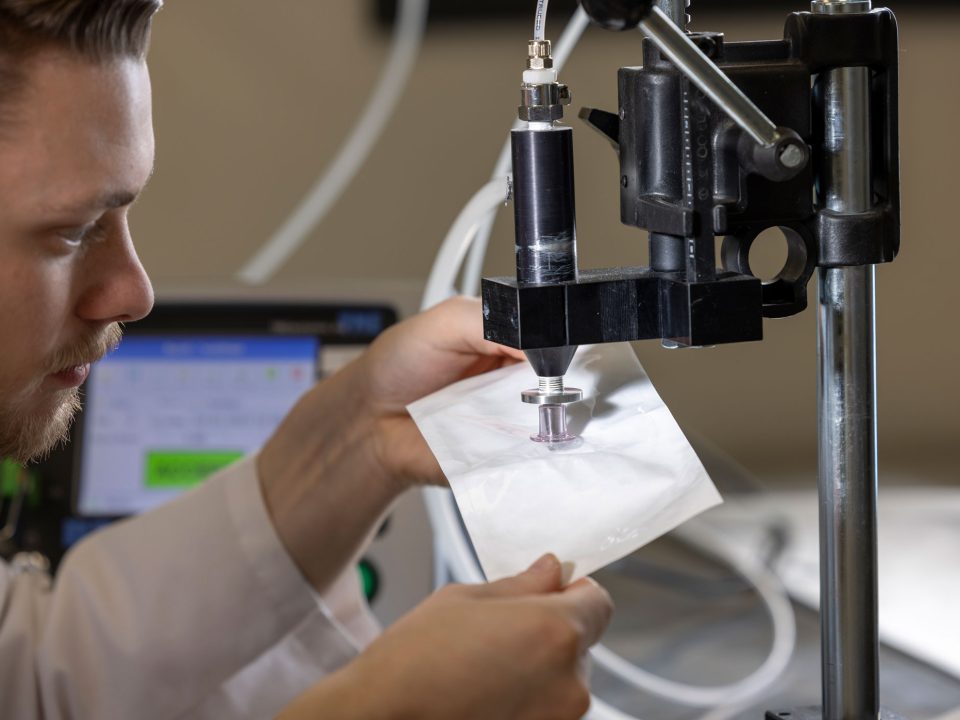
The CRN process itself drives continuous improvement in product design and manufacturing. To earn certification, every component must undergo detailed analysis and, in some cases, burst or hydrostatic pressure testing. This scrutiny helps identify weaknesses early, ensuring that only durable and high-performing equipment reaches the market.
Over time, that commitment translates to higher-quality products, longer equipment lifespans, and stronger client trust, key ingredients for sustainable business growth.
CRN Across Different Industries
- Manufacturing and Fabrication: In manufacturing, CRN approval confirms that pressure vessels and piping systems meet recognized engineering and safety standards. This not only protects end users but also gives manufacturers a competitive edge when bidding for large-scale projects where compliance is non-negotiable.
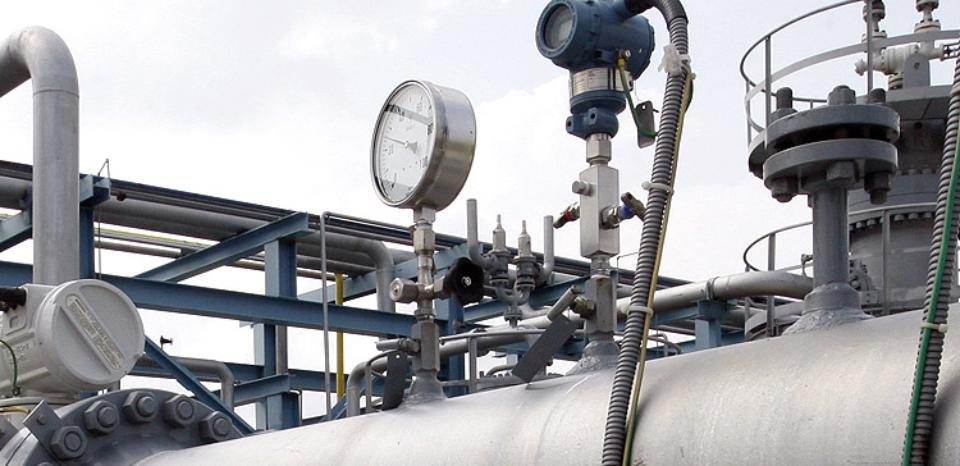
- Oil, Gas, and Energy: In the energy sector, equipment often works under very high pressure. CRN certification confirms that boilers, separators, and compressors can handle these conditions safely, reducing the risk of leaks or shutdowns.
- Pharmaceutical and Chemical Processing: These industries deal with sensitive and sometimes hazardous materials. CRN-certified equipment ensures that the pressure levels are stable and there is no contamination, two things essential for the safety of workers and ensuring product quality.
- Food and Beverage: In food production, CRN-approved systems like steam lines and pasteurizers help maintain hygiene and consistency. Certification means operations meet health and safety standards without compromising efficiency.
- Water Treatment and Utilities: Municipal and industrial water systems rely on CRN-approved tanks and pipelines to handle continuous pressure cycles safely. This reduces the chance of unnecessary leaks, ensuring the service runs uninterrupted to communities.
- Power Generation: In power plants, CRN-certified boilers and steam systems ensure safe energy production under high-pressure conditions. This helps prevent costly failures and maintains compliance with national codes and insurance requirements.
How Titan Research Group Can Help You
At Titan Research Group, we specialize in helping businesses navigate the complex process of CRN approval with precision and confidence. Whether you’re designing new equipment or preparing for market expansion, our team provides the engineering expertise, testing, and documentation support you need to meet Canadian safety and regulatory standards.
With over two decades of experience supporting CRN-approved industries across Canada, Titan Research Group can help your business with reliable data analysis and quality compliance documentation that meet ASME, CSA, and CRN requirements.