CRN Certification in Canada: What It Is and Why It’s Required
August 13, 2025
How to Get a CRN in Canada: Step-by-Step Guide
August 18, 2025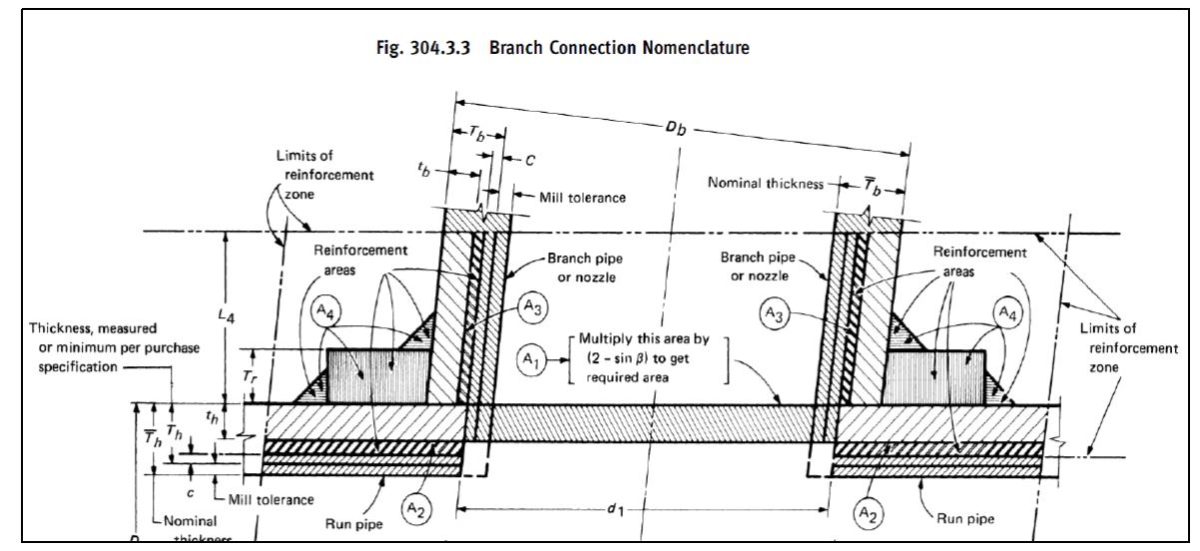
When working under ASME B31.3 – Process Piping, one of the most common questions engineers and compliance teams face is: What’s the difference between a listed component and an unlisted component?
This distinction matters, because it drives how a component is qualified for use in piping systems, and whether additional calculations, tests, or approvals are required.
What is a Listed Component?
A listed component is one that is explicitly recognized in ASME B31.3, Appendix table 326.1 – Listed Standards of Piping Components.
Examples include:
- ASME B16.5 flanges
- ASME B16.9 buttwelding fittings
- ASME B16.34 valves
These components are covered by consensus standards that have already addressed design, materials, dimensions, pressure–temperature ratings, and testing requirements. Because they are pre-qualified, they can generally be used without further justification, as long as they’re applied within the limits of the listed standard and service conditions.
Key advantages of listed components:
- Pre-established pressure–temperature ratings
- Widely accepted by regulators, inspection bodies, and owner–operators
- Simplified compliance and reduced engineering effort
What is an Unlisted Component?
An unlisted component is anything not found in Appendix Table 326.1.
This doesn’t mean the component can’t be used—it just means the engineer must establish its acceptability under B31.3, para. 304.7.2 (Unlisted Components).
For unlisted components, the designer or manufacturer must demonstrate that the part is safe by one or more of the following methods:
- Design calculations using ASME Section VIII or B31.3 rules
- Proof testing (e.g., hydrostatic or burst testing)
- Engineering analysis such as Finite Element Analysis (FEA)
- Using recognized material property data and stress analysis
Unlisted components often include:
- Custom-fabricated fittings
- Proprietary valves, hoses, or connectors
- Novel designs where no industry consensus standard applies
Implications of using unlisted components:
- Additional engineering work (stress analysis, UG-37 style reinforcement calcs, etc.)
- Potential regulatory reviews or CRN (Canadian Registration Number) requirements
- Longer approval timelines and higher upfront costs
Why the Difference Matters
For owners, regulators, and suppliers, the distinction between listed and unlisted components ensures safety and consistency in pressure piping systems.
- Listed = Pre-qualified. You can specify them with confidence, provided service conditions are within published ratings.
- Unlisted = Requires justification. You’ll need engineering calculations, testing, or regulatory acceptance before installation.
Knowing the difference early in the design and procurement process can save significant time and money—especially when working in highly regulated jurisdictions like Canada, where unlisted components typically require detailed submissions for CRN approval.
Final Thoughts
ASME B31.3 doesn’t prohibit the use of unlisted components—but it places the responsibility on the designer and manufacturer to prove they are safe. When possible, listed components offer the fastest path to compliance, but innovative or custom designs will inevitably fall into the unlisted category.
Understanding this difference is critical for engineers, QA teams, and procurement specialists who need to balance innovation, cost, and compliance in process piping projects.