How to Set Up Differential Pressure Decay Test Variables
April 17, 2026
What is a differential pressure decay leak test and when is it used?
April 17, 2026
Advanced Leak Detection for Pressure Equipment: Pressure Decay & Volumetric Fill Testing
When you’re manufacturing pressure vessels, piping systems, or industrial equipment destined for Canadian markets, leak detection isn’t just a quality checkpoint—it’s a regulatory requirement. Traditional testing methods have served the industry well, but today’s manufacturers need faster, more accurate solutions that can detect even the smallest leaks while maintaining compliance with ASME standards and CRN certification requirements.
Advanced leak detection technologies, particularly pressure decay and volumetric fill testing, are transforming how manufacturers verify the integrity of sealed pressure equipment. These methods offer precision that manual inspection can’t match, delivering measurable, repeatable results that satisfy both quality assurance teams and regulatory inspectors.
Understanding Modern Leak Detection Methods
Leak detection in pressure equipment has evolved significantly beyond simple visual checks or bubble testing. Today’s sophisticated methods can identify leaks at the molecular level, providing quantifiable data that meets strict regulatory standards. Two techniques stand out for their accuracy and reliability: pressure decay testing and volumetric fill testing.
Pressure Decay Testing: Precision Through Pressure Monitoring
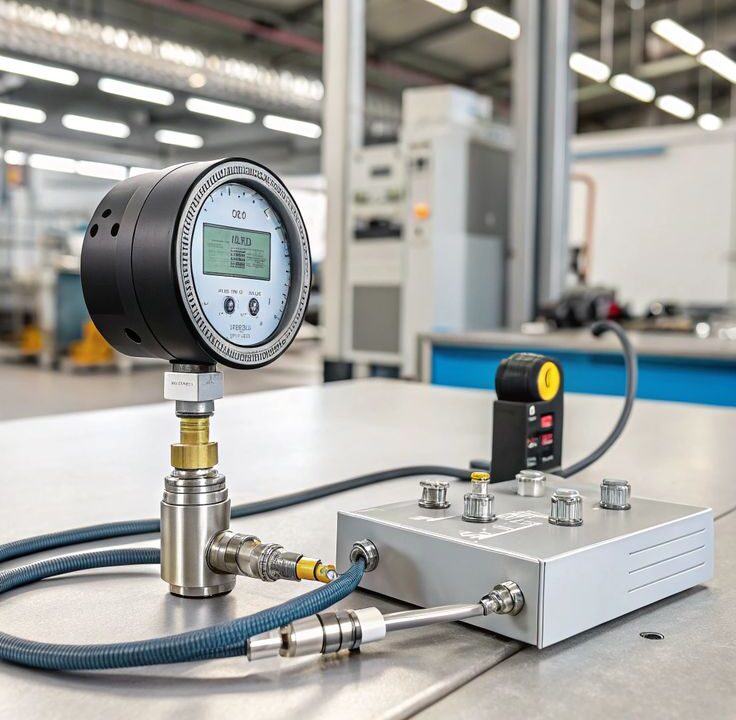
Pressure decay testing works by pressurizing a sealed component and monitoring pressure changes over time. If a leak exists, even a microscopic one, pressure will drop at a measurable rate. This method excels at detecting fine leaks that might escape other testing approaches.
The beauty of pressure decay testing lies in its sensitivity. Modern instruments can detect pressure changes as small as 0.01 psi, making it ideal for components that must maintain absolute integrity under operating conditions. For manufacturers pursuing Canadian Registration Numbers, this level of precision demonstrates the thorough quality control that regulatory authorities expect.
Volumetric Fill Testing: Measuring What Matters
While pressure decay monitors pressure loss, volumetric fill testing takes a different approach by measuring the volume of test medium required to reach a specific pressure. This method is particularly effective for detecting gross leaks and validating that assemblies are properly sealed before moving to finer leak detection stages.
Here’s how it works: the system fills the test component with a controlled volume of fluid or gas. If the component has a leak, more volume will be required to reach the target pressure. By comparing the actual fill volume against the expected volume for a leak-free part, manufacturers can quickly identify problematic units.
This two-stage approach—gross leak detection via volumetric fill followed by fine leak detection via pressure decay—creates a comprehensive testing protocol that catches issues at multiple levels. It’s the same principle we apply in our hydrostatic pressure testing services, where multiple verification points create confidence in the final result.
Why Sealed Pressure Equipment Demands Specialized Testing
Completely sealed assemblies present unique testing challenges. Unlike components with accessible test points, sealed units can’t be tested using methods that require internal access. This is where pressure decay and volumetric fill testing become indispensable.
Consider a sealed pressure vessel used in pharmaceutical processing or a closed piping assembly for chemical transport. These components must maintain absolute integrity—there’s no room for “acceptable” leakage. Traditional methods like dye penetrant or magnetic particle testing verify weld quality, but they can’t confirm that the entire assembly will hold pressure under operating conditions.
Pressure-based leak testing provides that final confirmation. It simulates real-world conditions, subjecting the component to controlled pressure while monitoring for any deviation that would indicate a leak path. When combined with proper documentation, these tests create the evidence trail that provincial authorities like TSSA in Ontario or ABSA in Alberta require for approval.
Multi-Station Testing: Maximizing Throughput Without Sacrificing Accuracy
For manufacturers producing pressure equipment at scale, testing throughput becomes a critical factor. A single-station test system creates a bottleneck: while one part is being tested, others wait in queue. The solution? Multi-station testing systems that run multiple tests simultaneously.
A two-station configuration, for example, allows operators to load and unload one part while the other undergoes testing. Both stations can perform tests at the same time when needed, nearly doubling productivity compared to single-station setups. This approach works particularly well when testing cycles are measured in minutes rather than seconds—time that can be productively used preparing the next component.
Efficiency in Action: Modern multi-station systems feature independent test instruments at each station, all controlled through a single interface. Automated part identification via barcode scanning ensures test parameters match each specific component, while integrated quality management systems track and store results automatically.
This level of automation doesn’t just speed up testing—it eliminates human error. The system won’t allow a test to proceed with incorrect parameters, and it automatically segregates rejected parts, creating a foolproof quality control process that stands up to regulatory scrutiny.
The Testing Process: From Part Loading to Acceptance
Understanding how advanced leak testing unfolds helps manufacturers appreciate the rigor behind each acceptance or rejection decision. Let’s walk through a typical test sequence for a sealed pressure component:
1. Part Identification and Loading
The operator loads the component into the test fixture. An integrated barcode scanner automatically reads the part ID, pulling up the correct test program from the system database. This eliminates the risk of testing a part with inappropriate parameters—a common source of false failures or, worse, false passes.
2. Sealing and Pressurization
The test chamber seals around the part, creating a controlled environment. For volumetric fill testing, the system begins filling the component while monitoring both volume and pressure. This initial stage quickly identifies gross leaks—components that fail to hold pressure at all.
3. Gross Leak Evaluation
The system compares actual pressurization behavior against pre-set upper and lower limits. Parts that fall outside acceptable parameters—either reaching pressure too quickly (indicating a smaller internal volume than expected) or failing to reach pressure (indicating a significant leak)—are rejected at this stage.
4. Fine Leak Testing via Pressure Decay
Components that pass the gross leak test advance to pressure decay testing. The part is held at test pressure while highly sensitive instruments monitor for any pressure drop. This stage detects the fine leaks that might not appear during gross testing but would compromise performance over time.
The acceptance criteria here are strict. Based on the component’s intended service and regulatory requirements, the system applies a pre-set leak rate threshold. Any pressure decay exceeding this threshold results in rejection. This is similar to how we establish acceptance criteria for burst testing—the limits aren’t arbitrary, they’re calculated based on design requirements and safety factors.
5. Results and Documentation
Pass or fail, every test result is automatically recorded with a timestamp. Accepted parts receive a green light and “ACCEPT” indication; rejected parts trigger red illumination and a “REJECT” message. More importantly, the data is stored in the system’s internal memory and uploaded to the facility’s quality management system.
This documentation trail is exactly what you need when applying for a Canadian Registration Number. Regulators want to see not just that testing occurred, but that it was controlled, traceable, and conducted according to recognized standards.
Integration with ASME and CSA Standards
Advanced leak testing methods don’t exist in a vacuum—they’re part of a broader compliance framework governed by codes and standards. For pressure equipment in Canada, that primarily means ASME (American Society of Mechanical Engineers) and CSA (Canadian Standards Association) requirements.
The ASME Section VIII code, which governs pressure vessel construction, includes specific provisions for leak testing. While hydrostatic or pneumatic pressure testing confirms structural integrity, leak testing verifies seal integrity—the distinction matters. A vessel might hold hydrostatic test pressure for the required duration yet still have small leaks at gaskets, penetrations, or fittings that would cause problems in service.
Similarly, CSA B51, the Canadian code for boilers, pressure vessels, and pressure piping, references leak testing requirements for certain applications. The specific leak rate thresholds and test methods depend on the equipment’s classification and intended service, which is where expert guidance becomes valuable.
At Titan Research Group, we help manufacturers understand which testing requirements apply to their specific equipment. Our ASME BPE code engineering services, for instance, address the heightened purity and documentation requirements for bioprocessing equipment, where leak-tight seals are critical to maintaining sterile conditions.
Applications Across Industries
The versatility of pressure decay and volumetric fill testing makes these methods valuable across diverse industrial sectors. Each industry brings unique requirements, but the fundamental need—verified leak-tight integrity—remains constant.
Pharmaceutical and Bioprocessing
In pharmaceutical manufacturing, contamination isn’t just a quality issue—it’s a patient safety issue. Pressure vessels, transfer piping, and processing equipment must maintain absolute seal integrity to prevent contamination and ensure batch purity. Advanced leak testing provides the validation that both manufacturers and regulatory agencies require.
Our work with pharmaceutical industry clients has shown that pressure-based leak testing integrates seamlessly with other validation requirements, creating comprehensive qualification packages that speed equipment approval and commissioning.
Oil and Gas Equipment
From wellhead equipment to refinery piping, the oil and gas sector handles products under extreme pressures and temperatures. Leak testing verifies that valves, fittings, and vessels will contain these demanding fluids without escape. The consequences of failure—environmental damage, safety hazards, and operational disruption—make thorough leak testing non-negotiable.
Water and Wastewater Systems
Municipal and industrial water systems require leak-tight integrity to prevent contamination and ensure efficient operation. Pressure piping testing for water applications often includes both pressure decay testing for sealed assemblies and traditional hydrostatic testing for accessible piping runs.
Food and Beverage Processing
Sanitary processing equipment must meet stringent hygienic standards while maintaining pressure integrity. Leak testing confirms that vessels, heat exchangers, and transfer systems won’t allow product loss or introduce contamination—critical factors in maintaining food safety.
Safety Protocols and Risk Management
Like any pressure testing activity, leak detection requires careful attention to safety. While the pressures used in leak testing are often lower than those in hydrostatic or pneumatic tests, the same fundamental safety principles apply.
Test equipment must include pressure relief devices set just above maximum test pressure. Gauges require current calibration—typically within the past 12 months—with certificates traceable to national standards. Test procedures should clearly define pressure limits, hold times, and abort criteria.
For pneumatic leak testing using gas, energy storage considerations become important. Air and nitrogen under pressure contain stored energy that would be released rapidly in the event of component failure. Test chambers should be designed to contain such failures, and personnel should maintain appropriate distance during testing.
These safety considerations are second nature when you work with experienced testing providers. Our hydrostatic pressure testing services incorporate comprehensive safety protocols developed over decades of field experience, ensuring that testing proceeds safely while delivering the results you need.
Documentation and Traceability Requirements
In regulated industries, testing is only as good as its documentation. Advanced leak testing systems address this by creating comprehensive, tamper-proof records of every test performed.
Modern systems capture far more than simple pass/fail results. Time-stamped pressure curves show exactly how pressure changed throughout the test. Temperature data confirms that testing occurred within acceptable environmental conditions. Part identification links each test record to a specific component, creating full traceability from raw material through final inspection.
This documentation becomes invaluable during regulatory reviews, customer audits, and quality investigations. When a question arises about a component’s test history, you can pull up the complete record in seconds—no hunting through paper logbooks or trying to reconstruct events from memory.
For CRN certification, this level of documentation demonstrates the robust quality management system that provincial authorities expect. It shows that testing isn’t an afterthought—it’s an integral part of your manufacturing process with full accountability and traceability.
Choosing the Right Testing Approach for Your Application
With multiple leak testing methods available, how do you choose the right one for your application? Several factors influence this decision:
- Leak sensitivity requirements: How small a leak must you detect? Pressure decay testing can identify leaks several orders of magnitude smaller than bubble testing.
- Production volume: High-volume manufacturing justifies investment in automated multi-station systems; lower volumes might be better served by manual or semi-automated approaches.
- Component characteristics: Part size, geometry, and material influence both the testing method and the specific parameters used.
- Regulatory requirements: Certain industries or applications mandate specific test methods or leak rate thresholds.
- Test medium compatibility: Some components can’t tolerate water or certain gases, limiting method choices.
Working through these considerations systematically helps identify the optimal testing approach. Often, the best solution combines multiple methods—volumetric fill for gross leak screening, pressure decay for fine leak detection, and traditional burst testing for design validation.
The Path Forward: Testing Innovation and Regulatory Evolution
Leak testing technology continues to evolve, driven by tighter regulatory requirements, increasing quality expectations, and competitive pressure to reduce testing time and cost. Several trends are shaping the future of pressure equipment leak detection:
Enhanced Sensitivity and Speed
New sensor technology and signal processing algorithms are pushing detection limits lower while reducing test cycle times. What once required a five-minute pressure decay test might now be accomplished in two minutes with better sensitivity—a meaningful improvement in high-volume production environments.
Integration with Manufacturing Systems
Leak testing systems are increasingly connected to broader manufacturing execution systems (MES) and enterprise resource planning (ERP) platforms. This integration creates seamless data flow from production through testing to shipping, with automatic quality holds on components that fail testing.
Predictive Capabilities
By analyzing trends in test data over time, modern systems can identify subtle changes that might indicate developing issues in production processes. A gradual increase in leak rates across multiple parts, for example, might reveal tool wear or process drift that needs attention.
Remote Monitoring and Support
Network-connected test systems enable remote technical support, with equipment manufacturers able to diagnose issues and optimize performance without site visits. This capability has become particularly valuable for manufacturers operating in remote locations or managing multiple facilities.
These advances are making leak testing more effective and efficient, but they don’t change the fundamental requirement: pressure equipment must be verified leak-tight before entering service. Whether you’re using the latest automated system or a carefully controlled manual process, the goal remains ensuring that your equipment will perform safely and reliably.
Working with Testing Experts
While in-house leak testing makes sense for high-volume manufacturers, many companies find that partnering with experienced testing providers offers significant advantages. Third-party testing brings specialized expertise, calibrated equipment, and regulatory knowledge that might be difficult or expensive to develop internally.
At Titan Research Group, we’ve built our reputation on helping manufacturers handle the complex world of pressure equipment compliance. Our comprehensive services span testing, engineering, and regulatory support, providing everything you need to bring equipment to market safely and legally.
We understand that leak testing isn’t an isolated requirement—it’s part of a larger compliance framework that includes design validation, materials verification, and regulatory approval. By taking a holistic approach, we help clients avoid the common pitfall of optimizing one aspect of compliance while creating problems elsewhere.
Our ISO 17025-accredited laboratories use precision test equipment and documented procedures that satisfy the most demanding regulatory authorities. Whether you need routine production testing, R&D support for new product development, or expert testimony for regulatory proceedings, we have the capabilities and experience to deliver results you can trust.
Common Challenges and Solutions
Even with advanced equipment and careful procedures, leak testing can present challenges. Understanding common issues and their solutions helps minimize testing delays and false results:
Temperature Effects
Challenge: Temperature changes during testing cause pressure variations that can be mistaken for leaks.
Solution: Allow components and test medium to stabilize at test temperature. Modern systems compensate for small temperature drift automatically, but significant thermal changes require stabilization time.
Trapped Air or Contamination
Challenge: Air pockets or debris in the test component affect pressurization behavior, causing false failures.
Solution: Proper component orientation, vent points at high positions, and pre-test cleaning eliminate most contamination issues. For complex geometries, multiple test orientations might be necessary.
Seal Compression and Settling
Challenge: Gaskets and seals compress under pressure, causing pressure decay that mimics a leak.
Solution: Test procedures should include a settling period at pressure before beginning leak rate measurement. This allows seals to reach their compressed state before evaluation begins.
Test Equipment Leaks
Challenge: Leaks in test fixtures, valves, or connections cause component rejection when the component itself is sound.
Solution: Regular verification testing with known-good reference parts confirms test system integrity. Preventive maintenance on test equipment prevents unexpected failures.
These challenges underscore why testing expertise matters. Experienced technicians recognize these issues immediately and know how to address them without compromising test integrity or wasting time.
The Bottom Line: Quality You Can Measure
In an era when “quality” often seems subjective, leak testing provides objective, quantifiable verification of pressure equipment integrity. Modern methods like pressure decay and volumetric fill testing deliver the precision that both quality-conscious manufacturers and regulatory authorities demand.
The investment in advanced leak testing pays dividends through reduced warranty claims, improved customer satisfaction, and streamlined regulatory approvals. Components that pass rigorous leak testing are components you can confidently put into service, knowing they’ll perform as designed.
For Canadian manufacturers navigating CRN requirements and provincial regulations, comprehensive testing documentation creates the evidence trail that accelerates approvals and demonstrates due diligence. It shows that you’re not just meeting minimum requirements—you’re implementing best practices that prioritize safety and quality.
Next Steps: Getting Started with Advanced Leak Testing
Whether you’re establishing in-house testing capabilities or seeking third-party testing support, the path forward starts with understanding your specific requirements. Consider these steps:
- Define your leak rate requirements based on component design, service conditions, and regulatory mandates.
- Evaluate testing methods against your production volume, part characteristics, and budget constraints.
- Develop or refine test procedures that address your components’ unique characteristics while maintaining code compliance.
- Establish documentation protocols that create the traceability regulators expect and quality management requires.
- Train personnel on proper testing techniques, safety protocols, and result interpretation.
If you’re unsure where to start or facing testing challenges that slow production, we’re here to help. Our team at Titan Research Group brings decades of pressure equipment testing experience across every major industrial sector. We can evaluate your requirements, recommend appropriate testing approaches, and provide the hands-on support that turns testing from a bottleneck into a competitive advantage.
Contact us today to discuss your leak testing needs. Whether you need laboratory testing services, help developing in-house capabilities, or guidance navigating regulatory requirements, we have the expertise to keep your projects moving forward.