
Pressure Testing Requirements: Hydrostatic vs Pneumatic
July 28, 2026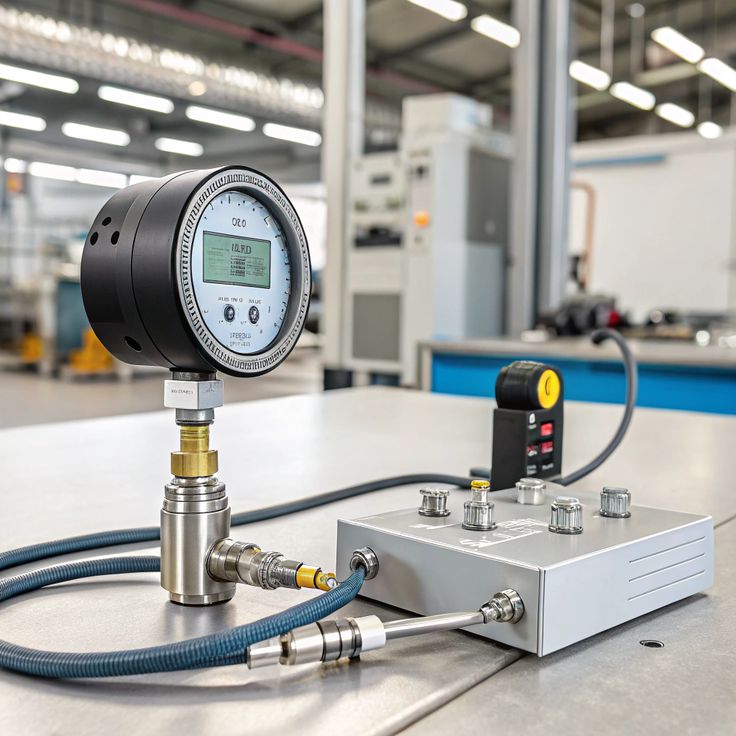
Hydrostatic testing is a critical validation step for pressure equipment operating in Canadian industries. Whether you’re manufacturing pressure vessels, designing piping systems, or bringing new equipment to market, understanding hydrostatic testing requirements isn’t optional, it’s essential for safety, compliance, and CRN registration.
This comprehensive guide breaks down everything manufacturers, engineers, and facility operators need to know about hydrostatic testing in Canada, from ASME standards to provincial regulatory requirements.
What Is Hydrostatic Testing?
Hydrostatic testing is a non-destructive pressure test that verifies the structural integrity and leak-tightness of pressure equipment. The process involves filling a vessel or piping system with liquid (typically water) and pressurizing it to a level higher than its maximum allowable working pressure (MAWP).
Key Objectives of Hydrostatic Testing
- Structural verification: Confirm equipment can withstand design pressures without rupture or permanent deformation
- Leak detection: Identify any leaks at joints, welds, or material defects
- Code compliance: Meet ASME, CSA, and provincial regulatory requirements
- Safety assurance: Validate equipment safety before commissioning or operation
Unlike pneumatic testing (which uses air or gas), hydrostatic testing is safer because water is incompressible. If a failure occurs during testing, the energy release is minimal compared to compressed gas, reducing the risk of catastrophic rupture.
Why Hydrostatic Testing Is Required in Canada
Canadian regulations mandate hydrostatic testing for most pressure equipment before it can be legally installed or operated. Here’s why this requirement exists:
Regulatory Compliance Across Provinces
Every Canadian province has its own pressure equipment safety authority that enforces testing standards. Whether you’re working with ABSA in Alberta, TSSA in Ontario, or RBQ in Quebec, hydrostatic testing documentation is typically required for CRN approval.
Did you know? Pressure equipment operating above 15 psi (1 bar) in Canada generally requires both hydrostatic testing and CRN registration before it can be legally used.
Safety Risk Mitigation
Pressure equipment failures can result in serious injuries, fatalities, and property damage. Hydrostatic testing identifies weaknesses before equipment enters service, preventing potential disasters. Industries like oil and gas, pharmaceuticals, and food processing rely on this testing to protect workers and maintain operational continuity.
Quality Assurance for Manufacturers
For manufacturers, hydrostatic testing validates that fabrication, welding, and material selection meet design specifications. It’s proof that your equipment has been built to code and will perform safely under operating conditions.
ASME Standards and Code Requirements
In Canada, hydrostatic testing requirements primarily follow ASME (American Society of Mechanical Engineers) codes, which are adopted and enforced by provincial authorities. Understanding these standards is crucial for compliance.
ASME Section VIII: Pressure Vessels
For pressure vessels, ASME Section VIII (Divisions 1, 2, and 3) specifies hydrostatic test pressure calculations and procedures. The standard test pressure is typically 1.3 times the MAWP at the test temperature.
ASME Section VIII Test Pressure Formula
Test Pressure = 1.3 × MAWP × (Stress at Test Temperature / Stress at Design Temperature)
This formula accounts for material strength variations at different temperatures, ensuring a consistent safety margin.
ASME B31.3: Process Piping
The ASME B31.3 code governs process piping systems and requires hydrostatic testing at 1.5 times the design pressure. For piping handling hazardous fluids or installed in critical service locations, additional testing considerations apply.
ASME Section VII: Recommended Guidelines
While not mandatory, ASME Section VII provides recommended guidelines for care and operation of heating boilers and pressure vessels, including in-service inspection and periodic pressure testing requirements.
CSA B51: Canadian Adoption
The CSA B51 Boiler, Pressure Vessel, and Pressure Piping Code is Canada’s national standard that incorporates ASME requirements while adding specific Canadian provisions. Provincial authorities reference CSA B51 when evaluating CRN applications.
Testing Procedures and Best Practices
Proper execution of hydrostatic testing requires careful planning, appropriate equipment, and adherence to established procedures. Here’s what successful testing looks like:
Pre-Test Preparation
- Visual inspection: Examine all welds, joints, and connections for obvious defects
- Pressure relief devices: Remove or isolate all relief valves and pressure-limiting devices
- Test medium selection: Use clean water at appropriate temperature (typically 50-120°F/10-49°C)
- Venting: Ensure all air is vented from the system to prevent pressure pockets
- Safety zone: Establish a clear safety perimeter around the test area
Pressurization Protocol
The pressurization process should be gradual and controlled:
- Increase pressure slowly to approximately 50% of test pressure
- Conduct preliminary inspection for obvious leaks
- Continue pressurization to full test pressure
- Maintain test pressure for the required hold time (typically 10-30 minutes, depending on code requirements)
- Monitor pressure gauges continuously during the hold period
⚠️ Safety Critical
Never use compressed air or gas for pressure testing unless hydrostatic testing is impractical. Pneumatic testing requires specialized procedures and additional safety precautions due to stored energy risks.
Inspection and Acceptance Criteria
During the hold period, qualified inspectors examine the equipment for:
- Visible leaks at welds, flanges, or fittings
- Permanent deformation or bulging
- Pressure gauge stability (rapid pressure drop indicates leakage)
- Unusual sounds or visual changes
CRN Compliance and Documentation Requirements
Hydrostatic testing documentation is a fundamental component of your CRN application. Provincial authorities review these records to verify that equipment meets safety standards before issuing registration.
Essential Documentation
Your hydrostatic test report should include:
- Equipment identification (serial number, manufacturer, design specifications)
- Test pressure value and duration
- Test medium used (type of liquid, temperature)
- Test date and location
- Pressure gauge calibration certificates
- Inspector qualifications and certifications
- Test results and acceptance criteria
- Photographs or video evidence (when required)
- Signature of qualified inspector or authorized inspector (AI)
Provincial Variations
While ASME standards provide the technical baseline, each province may have specific documentation or procedural requirements:
- Alberta (ABSA): Requires authorized inspector presence for certain equipment classes
- Ontario (TSSA): May require pre-notification of testing schedules for inspection
- Quebec (RBQ): Has specific French-language documentation requirements
- British Columbia: Follows CSA B51 closely with additional provincial interpretations
Working with an experienced regulatory compliance partner like Titan Research Group helps you understand these jurisdictional differences and prepare documentation correctly the first time.
Periodic Retesting Requirements
Hydrostatic testing isn’t just for new equipment. Many jurisdictions require periodic retesting at defined intervals:
- Boilers: Typically every 5-10 years depending on type and service
- Pressure vessels: Every 10 years or after major repairs/alterations
- Piping systems: When repairs or modifications affect pressure integrity
Maintaining current test records is essential for ongoing compliance and operational permits.
Common Challenges and How to Overcome Them
Challenge 1: Temperature Limitations
Issue: Some equipment can’t tolerate standard test temperatures, or site conditions make water-based testing difficult (freezing climates, remote locations).
Solution: Alternative test methods may be permitted with regulatory approval. Burst testing or pneumatic testing with enhanced safety protocols can be used when hydrostatic testing is impractical. Titan Research Group can help you develop alternative testing plans that satisfy regulatory requirements.
Challenge 2: Large Equipment Volume
Issue: Very large vessels or piping systems require enormous volumes of water and specialized pumping equipment.
Solution: Plan for adequate water supply, disposal methods, and structural support for the added weight. Some manufacturers perform section-by-section testing when full-system testing is impractical.
Challenge 3: Material Considerations
Issue: Certain materials (exotic alloys, composites) may have special testing considerations or lower test pressure multipliers.
Solution: Consult the applicable code section for your specific material. Special materials like those used in cryogenic service may require additional qualification testing beyond standard hydrostatics.
Challenge 4: Documentation Deficiencies
Issue: Incomplete or improperly formatted test documentation leads to CRN application delays or rejections.
Solution: Use standardized test report templates that include all required fields. Having CRN training for your team or working with compliance experts ensures documentation meets provincial expectations from the start.
Need Help with Hydrostatic Testing Compliance?
Titan Research Group provides comprehensive testing services, regulatory guidance, and CRN application support across Canada. Our experts help you plan testing programs, prepare documentation, and accelerate approvals.Contact Our Team Today
Ensuring Compliance and Safety Through Proper Hydrostatic Testing
Hydrostatic testing is more than a regulatory checkbox, it’s a critical safety validation that protects workers, facilities, and your business reputation. Understanding the requirements, following proper procedures, and maintaining thorough documentation are essential for successful CRN registration and ongoing compliance.
Whether you’re a manufacturer bringing new equipment to market, an engineer designing pressure systems, or a facility operator maintaining existing equipment, getting hydrostatic testing right the first time saves time, money, and prevents costly delays.
Key Takeaways
- Hydrostatic testing is mandatory for most pressure equipment operating above 15 psi in Canada
- ASME codes (Section VIII, B31.3) define test pressure calculations and procedures
- Proper documentation is essential for CRN approval across all provinces
- Provincial authorities have specific requirements beyond base ASME standards
- Working with experienced compliance partners accelerates approvals and reduces risk
Titan Research Group specializes in helping manufacturers, engineers, and facility operators handle all aspects of pressure equipment compliance, from initial design review through testing, documentation, and CRN registration. Our nationwide capabilities and deep regulatory knowledge make complex compliance requirements manageable.
Contact Titan Research Group today to discuss your hydrostatic testing requirements and learn how we can support your next project.